The Role of Preconstruction Services in Reducing Project Risk
The Role of Precontruction Services in Reducing Project Risk
Every construction project carries risk. Budget uncertainty, schedule pressure, and design challenges can quickly impact outcomes if they are not addressed early. Too often, projects move forward before critical questions are fully answered, leaving teams to manage preventable issues once construction is already underway.
Preconstruction services offer the opportunity to reduce risk before it becomes costly. Through early planning, collaboration, and disciplined analysis, teams can create clarity around scope, cost, and schedule while setting realistic expectations from the start.
When projects struggle to meet budget or schedule goals, the root cause is often insufficient planning before breaking ground. Preconstruction is where risk is identified, understood, and managed intentionally.
Why Preconstruction Is Critical for Project Success
The preconstruction phase establishes the foundation for the entire project. It is where a concept becomes an executable plan and where potential challenges are uncovered while solutions are still flexible.
Without thorough preconstruction planning, projects are more susceptible to scope changes, budget escalation, and schedule extensions. These challenges can affect not only construction outcomes but also the long-term viability of an investment.
Effective preconstruction brings owners, architects, engineers, and contractors together early. This collaboration allows teams to evaluate options, test assumptions, and align expectations before decisions become expensive to change.
Strong projects do not begin with construction activity. They begin with informed planning, clear communication, and shared accountability during preconstruction.
Benefits for Owners and Developers
Improved Budget Accuracy and Cost Control
Preconstruction provides detailed cost analysis based on real project conditions rather than rough estimates. Accurate budgeting supports informed investment decisions and reduces the likelihood of mid-project cost surprises.
Evaluating design and material options early allows teams to identify cost-effective solutions that preserve quality and functionality. This approach supports cost consciousness while maintaining long-term value.
More Predictable Schedules
Preconstruction scheduling considers material lead times, permitting requirements, site conditions, and sequencing constraints. This allows owners to plan occupancy, leasing, or operations with greater confidence.
By addressing schedule risks early, teams can make informed decisions about phasing and sequencing that support steady progress once construction begins.
Reduced Design and Constructability Issues
When construction expertise informs design decisions, potential conflicts are identified early. Reviewing drawings for constructability helps avoid the disconnect between design intent and field execution.
This collaboration reduces the likelihood of design-related changes, which are a common source of cost increases and delays.
Proactive Risk Identification and Management
Preconstruction allows teams to identify project-specific risks and develop mitigation strategies before construction starts. This transforms uncertainty into manageable challenges with clear ownership and response plans.
Early risk planning supports better decisions related to contingencies, insurance, and contract structure.
Key Preconstruction Services That Reduce Risk
Site Analysis and Due Diligence
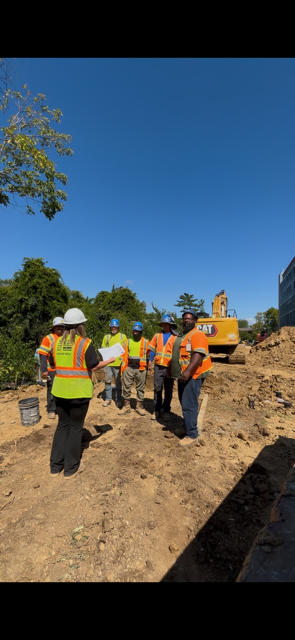
Early site evaluation helps uncover conditions such as soil issues, environmental concerns, utility conflicts, or zoning requirements. Identifying these factors early allows teams to adjust plans and budgets before construction begins.
Comprehensive Budget Development
Detailed budgets account for site work, building systems, finishes, fees, and appropriate contingencies. Multiple pricing scenarios help owners understand the cost impact of different design and material choices.
Strategic Schedule Planning
Preconstruction scheduling identifies critical path activities and potential bottlenecks. Planning around procurement timelines, permitting, and weather conditions supports realistic completion dates.
Constructability and Value Reviews
Design reviews focused on constructability and value help improve efficiency without compromising performance or quality. These evaluations often reveal opportunities to simplify construction methods and improve overall project value.
Early Trade Partner Involvement
Engaging key subcontractors during preconstruction improves accuracy and coordination. Trade input helps identify conflicts, refine pricing, and explore efficiency opportunities before construction begins.
Reduce Risk with EDC’s Preconstruction Expertise
At EDC, preconstruction is a disciplined process rooted in collaboration, transparency, and practical experience. Our teams focus on creating clarity around scope, cost, and schedule so that projects begin with alignment and confidence.
We view preconstruction as an extension of the client team. By combining technical expertise with real-world construction insight, we help owners make informed decisions that support safety, quality, and cost responsibility.
Strong preconstruction does not eliminate risk, but it allows teams to manage it thoughtfully. When planning is thorough and expectations are clear, projects are better positioned to deliver predictable outcomes.