How General Contractors Support School Construction Projects
By planning construction methods, timelines, subcontractor work, safety controls, and access routes around the school year, general contractors help deliver projects on schedule while giving careful consideration to student routines. Without a solid scheduling plan, school construction tasks are bound to overlap with other school activities, resulting in safety concerns, last-minute disruptions, and avoidable noise complaints.
A partnership with general contracting firms like EDC brings structure to every aspect of private school construction, minimizes disruption, and gives leadership teams a clear, predictable plan that keeps teaching at the center while construction progresses in the background.
The Unique Demands of K-12 and Higher Education Projects
The expectations for successful K‑12 and higher education projects include meeting regulatory requirements, security standards, and long‑term performance demands. Understanding the requirements for these projects helps owners minimize disruption for students, staff, and the surrounding community.
Let’s examine the unique demands for school projects:
- Top-quality building materials: K-12 and other higher education construction projects are built to withstand intensive, everyday use by students of all ages and the general public. Prioritizing top-quality building materials, such as reinforced concrete, durable flooring, non-toxic paints, and safe electrical components, is a non-negotiable prerequisite for a successful school construction project. For instance, carpet tiles in residence halls, dormitories, offices, and libraries absorb noise and can be replaced easily if damaged.
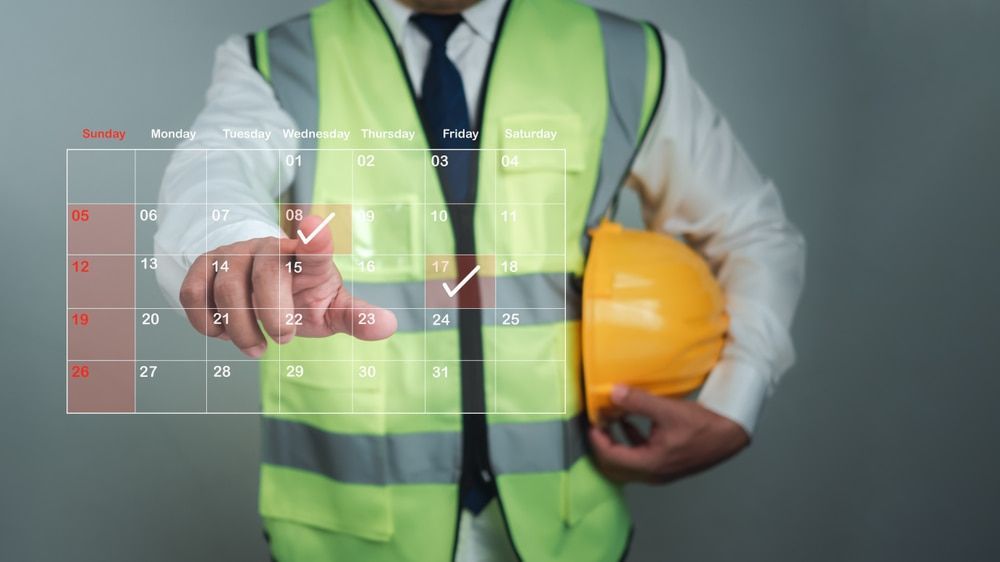
- Detailed phase scheduling plans: Fitting school construction schedules around a fixed academic calendar, immovable deadlines, occupied campuses, and a modified year-round school plan can be challenging. An experienced general contracting firm can mitigate school project scheduling hurdles by creating detailed phase plans tied to term dates and shifting noisy or high-risk tasks to nights, weekends, and breaks. It’s also crucial to lock in long‑lead materials early, so each critical window is fully used.
- Regulatory standards: Compliance with regulatory standards eliminates construction risks such as work stoppages, worksite hazards, and overrun costs. In the US, each state has its local zoning laws, building codes, education‑specific guidelines, and environmental regulations that guide the design, construction, and safety standards for school projects. For project owners with multiple school construction projects across states, partnering with general contracting firms like EDC helps you navigate the complexity of regulatory standards seamlessly.
- Open and clear communication: Unlike other construction projects, K-12 and other higher education projects involve extensive stakeholder lists. For these projects, schedules are prone to change, and ongoing campus activities can lead to misaligned or inconsistent communication. To mitigate this risk, general contracting firms can create a simple written communication plan with a single point of contact and multiple channels (such as email, web, meetings, and on-site notices). Updates should be updated regularly, so everyone knows what is happening and when.
As a project owner, navigating all these requirements can be a lot to handle on your own. Entrusting a reputable, experienced general contracting firm like EDC can help turn your vision into a successful school construction project.
Planning and Coordination for Seamless Delivery
Planning and coordination for seamless delivery in school construction start long before breaking ground. First, project owners, general contractors, and other stakeholders align on the construction scope, budget, and academic timelines that construction can work around. Then they build a detailed phase schedule that aligns with the school calendar, including summer breaks, exams, graduations, and move‑in days.
The stakeholders also map out key activities for each construction phase, identify long‑lead materials, and phase work so essential functions like classrooms, restrooms, and corridors remain operational. Not only that, clear responsibilities, realistic contingencies, and early procurement decisions help contractors avoid cost overruns and minimize delays.
During the construction phase, seamless project delivery depends on smooth coordination among stakeholders, including owners, contractors, facilities teams, suppliers, and school staff. To keep the project progressing, priority should be given to frequent progress meetings, updated look‑ahead schedules, and quick decision‑making on
Request For Information (RFIs).
Safety Measures That Protect Students and Staff
Safety is the top priority in any successful school construction project. The ideal way to protect students and staff from on-site construction hazards is to schedule construction during after-school hours, breaks, holidays, or even when the campus is less occupied. Due to immovable deadlines and changes to the academic calendar, project owners must find a way to work safely in a functioning school setting.
Safety measures on school construction sites should focus on keeping curious students and busy staff safe from active work zones. To prevent unauthorized entry, install barriers, fences, additional doors, and gates. Signage cones and other identifiers can also be used to indicate areas that unauthorized personnel shouldn’t access. Additionally, careful traffic planning avoids conflicts with buses and parents, while temporary classrooms and strict controls on noise, dust, and debris maintain a safe, focused learning environment.
Managing Phasing and Occupied Space Work
Contractors manage phasing and occupied space work by sequencing construction wing-by-wing or zone-by-zone, isolating active areas with barriers and separate access paths. Disruptive tasks are scheduled during off-hours, temporary classrooms are used when needed, administrators are involved, and logistics are updated frequently to keep students safe and school operations running smoothly.
Choose EDC for Reliable School Construction Management
Choosing the right partner is essential for aligning school construction workflow with tight academic calendars, strict regulations, and active campuses. At EDC, we combine our education-sector experience, solid scheduling strategy, and safety-first practices to keep projects moving. By partnering with EDC, project owners can entrust us to coordinate stakeholders, manage phasing in occupied spaces, and consistently deliver durable, compliant facilities for privately owned schools.
Contact EDC to explore a tailored school construction execution plan.