Commercial Construction Project Types and How General Contracting Supports Them
Understanding Construction Project Types and Why General Contracting Matters
Defining each project by its intended use guarantees the construction complies with zoning laws, infrastructure frameworks, and community priorities within the state or municipality. Partnering with an experienced general contracting team helps owners navigate the complexities, roadblocks, and evolving demands that arise throughout every phase of development.
What Defines Types of Construction Projects?
Land use (also known as end use) refers to the utilization of a construction site for a certain purpose, which could be residential, commercial, mixed-use, institutional, or industrial development.
Urban planners usually classify construction projects based on their land use to maintain alignment with various states or municipalities' requirements where the structures are built. Defining construction projects by land helps project owners understand legal requirements, plan for engineering needs, and anticipate potential environmental impacts.
Types of Construction Projects
Each construction comes with its own level of complexity, materials, costs, and safety standards. Understanding how each option works helps project owners make smarter plans, mitigate risks, and maximize ROI.
Below are some types of construction projects to consider:
Residential Construction Projects
Residential construction projects refer to living space structures, classified as either single-family or multi-family construction projects. Single-family homes are a standalone residential structure built for a single household, such as ranches, bungalows, and townhouses. Multi-family construction projects are structures designed to accommodate more than one family living separately. Duplexes, condos, and assisted living facilities are some examples of multi-family structures.
Single-family and multi-family projects have varying costs, building materials, engineering needs, zoning laws, and building code requirements that owners should consider. For instance, multi-family developments often require more extensive planning, coordination, and structural design before breaking ground. According to a US Census Bureausurvey, nearly half of all single-family homes begin construction in the same month the permit was issued. In contrast, only ⅓ of multi-family projects began the same as permit authorization.
Commercial Construction Projects
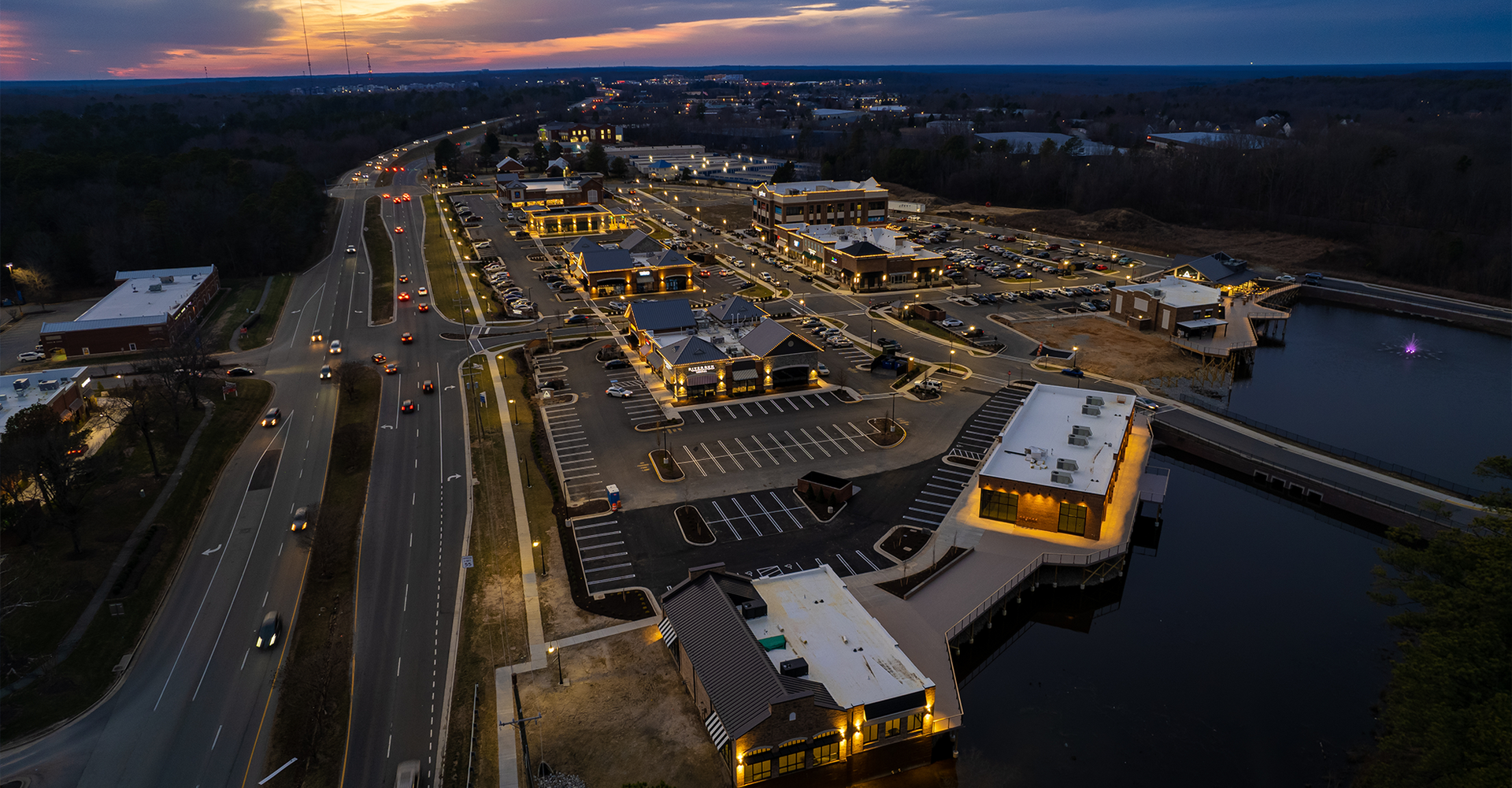
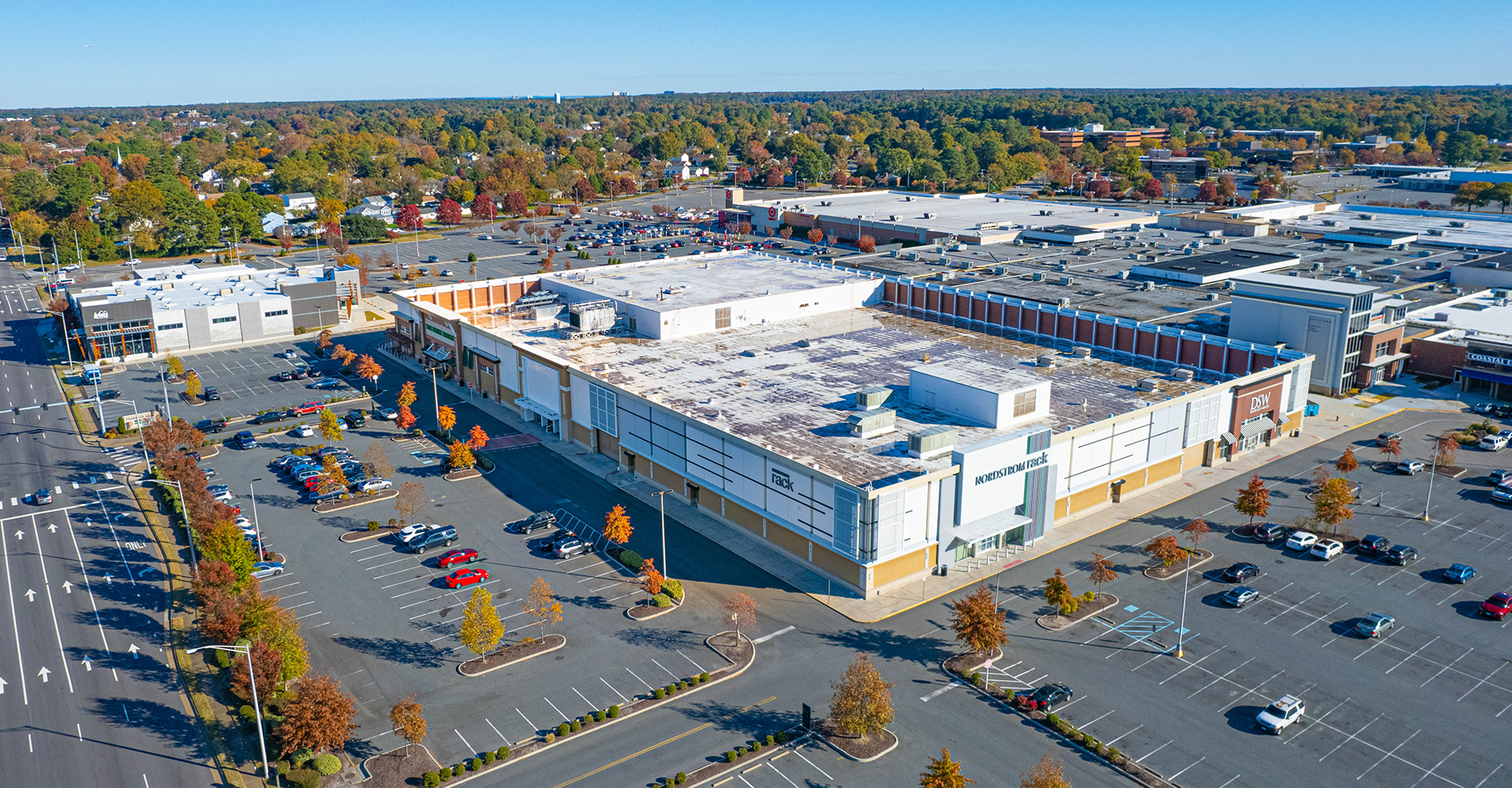
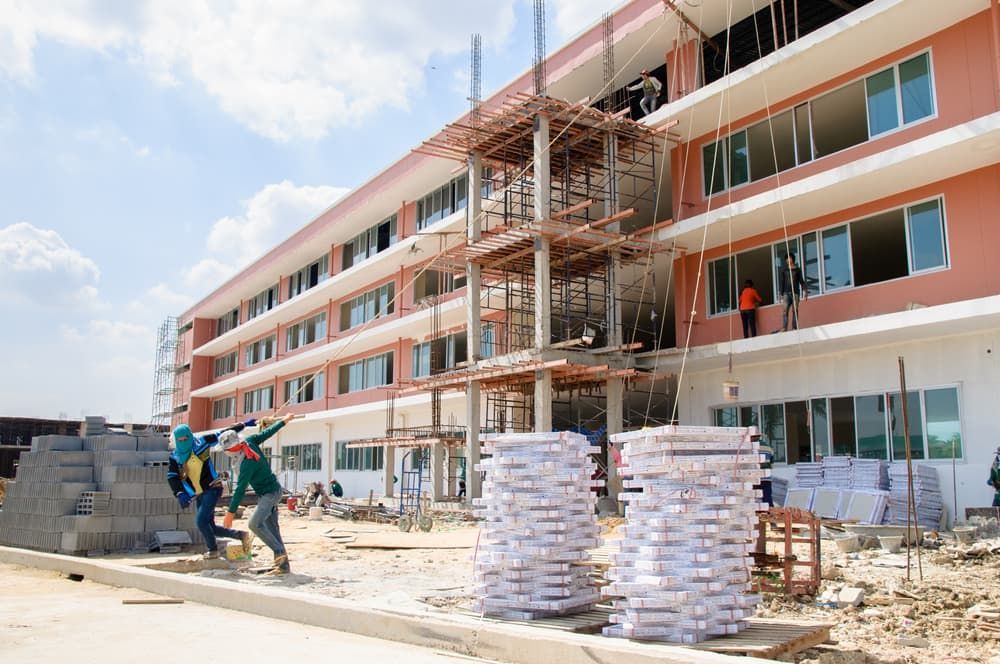
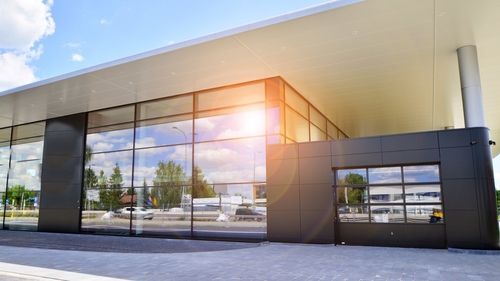
Commercial construction projects are built to generate revenue or deliver services to the public. They are usually large-scale and made up of buildings and facilities like offices, hotels, and shopping centers.
Constructing commercial projects requires more complex design phase requirements than residential constructions. These projects carry higher financial risks, especially when they are rushed without securing the necessary permits. That’s why project owners need to get official approval from local and state authorities for the continuity of commercial construction projects. Besides helping you secure the loan to fund the project, obtaining permits ensures that construction remains legal and safe, avoiding costly interruptions.
Project owners embarking on commercial construction must comply with various building codes for plumbing, electrical systems, and building size and materials. Commercial structures must also include accessibility features like appropriate signage, curb ramps, tactile indicators, and accessible restrooms to comply with the Americans with Disabilities Act (ADA).
Mixed-Use Construction Projects
Mixed-use construction developments combine residential, commercial, cultural, and institutional construction into a single space. Constructing mixed-use projects brings vitality to urban spaces. A mixed-use project where upper-level residential apartment units light up at sunsets, mid-level offices buzz through at noon, and a ground-floor bakery opens at dawn creates a space that’s functional all day and night.
When the real estate market is volatile, property values fluctuate, leading to diminished profits. Mixed-use construction mitigates these financial risks by ensuring owners have multiple revenue streams from rents, retail leases, and service-based revenues on the same property. In reality, when the demand for retail spaces slows down, you can still generate revenue from storage spaces and residential units. On top of that, mixed-use construction increases property values while also retaining its resale potential.
Institutional Construction Projects
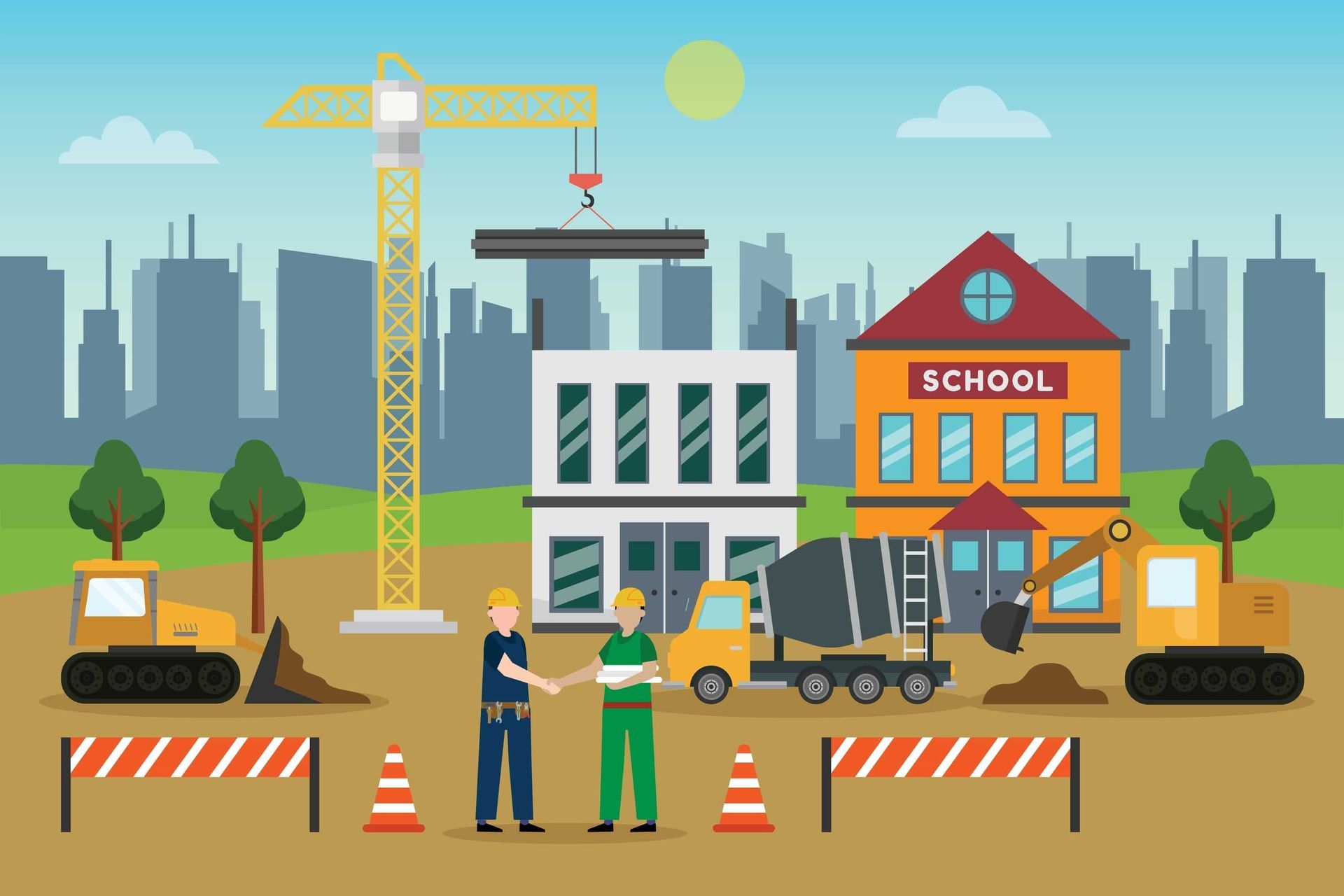
Institutional construction projects are known as structures intended to serve critical community needs. Schools, hospitals, government buildings, athletic facilities, and other public service facilities are some examples of institutional construction projects.
Institutional projects can also be privately developed and owned. This brings some similarities with commercial projects in terms of requirements, design standards, building materials, and equipment.
Industrial Construction Projects
Industrial construction projects are built for the manufacturing, processing, storage, and distribution of goods. These projects are intended to create durable, functional, and compliant spaces for public use. Industrial construction projects could be steel mills, cement plants, logistics hubs, automobile plants, oil refineries, and factories.
Industrial construction projects are often subjected to strict regulatory standards that center on safety, accessibility, and environmental impacts. It also requires specific building materials and consideration to support long-term use.
The Valuable Role of General Contracting Across Project Types
Below are some of the crucial, hands-on roles of general contractors in different types of construction projects:
Coordinate Project Activities
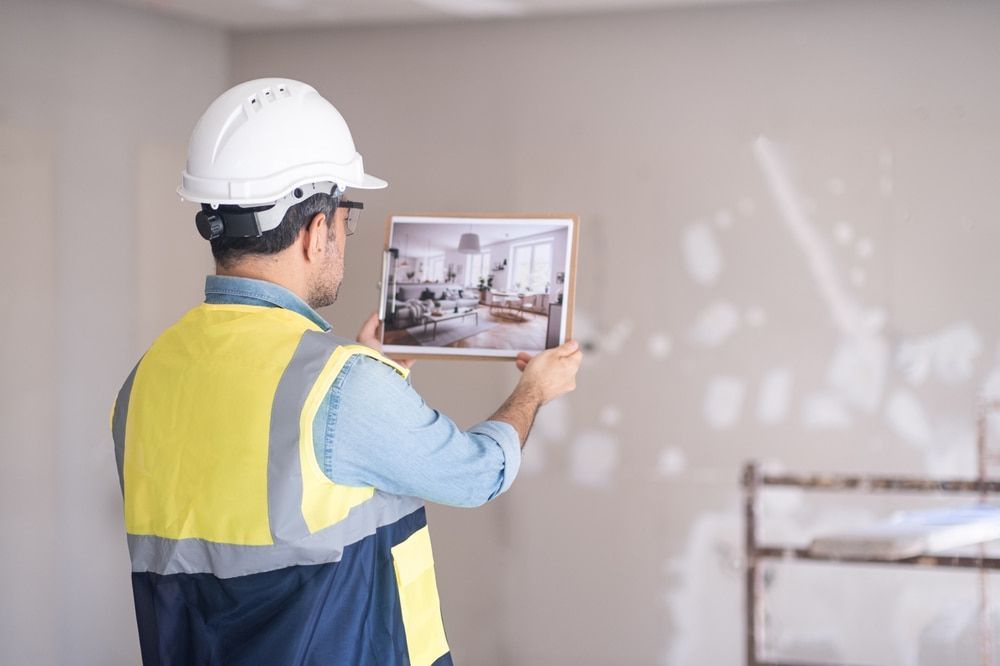
Entrusting your projects with general contracting firms like EDC guarantees efficient utilization of resources, quality materials procurement, and bridges communication gaps among stakeholders. Not only that, general contractors also establish realistic project schedules, define milestones, and set timelines for each stage of construction.
Meet Regulatory Standards
Compliance with local zoning laws, building codes, and environmental regulations helps project owners uphold quality control throughout the construction process. An experienced construction firm eliminates project delays by helping clients secure necessary approvals quickly and ensuring full compliance.
Manage Risks and Mitigate Delays
Permit backlogs, unfavorable weather conditions, supply shortages, and communication gaps among stakeholders could derail project delivery. A partnership with the right construction team anticipates potential risks by securing permits early and building flexible schedules. It also maintains transparent communication, which keeps projects moving and eliminates costly setbacks.
Explore How EDC Can Guide Your Next Construction Project
For project owners, navigating procurement, inspections, submittals, tracking, and reporting can be overwhelming, leaving little room for other responsibilities. Collaborating with a general contracting firm like EDC takes these weights off your shoulders by making sure every phase of the construction project runs smoothly.
EDC specializes in industrial, commercial, mixed-use, and privately owned institutional projects, where regulatory requirements, coordination, and long-term performance matter most. Our team applies a disciplined, collaborative approach to ensure projects stay compliant, efficient, and on schedule.
Contact ustoday to transform your project ideas into a successful and timely reality.