How General Contractors Minimize Disruption During Retail Renovations
Partnering with an experienced general contracting firm keeps retail renovations efficient with minimal impact on daily operations. However, coordinating noisy, high‑impact work around trading hours and aligning multiple vendors and stakeholders without disrupting sales or brand experience can be challenging for project owners.
Entrusting retail renovations to general contractors like EDC provides structure to every aspect of the project. It minimizes operational downtime and gives retail leaders a clear, predictable plan that keeps sales and brand experience at the center while construction happens in the background.
The Challenges of Working in Active Retail Environments
Active retail renovations involve keeping commercial spaces safe, functional, and profitable while major renovations are happening behind the scenes. Each decision made during the renovation process affects the customer experience, store operations, and staffing.
Let’s examine some of the challenges of working in active retail environments:
Sustaining brand consistency across multiple locations
For retail outlets with various locations, maintaining a uniform, recognizable experience, values, and visual identity when customers engage with the business can be challenging. Any slight difference in customer experience, facilities, layout, finishes, flow, and lighting can impact brand trust, operational efficiency, and create inconsistencies in merchandising and marketing efforts.
Every location has its unique quirks, regional regulatory standards, and topography conditions. Although the prototype might look great on paper, achieving identical results across multiple locations demands standardized quality control and expertise with an in-depth understanding of the brand’s requirements. However, partnering with a seasoned general contracting firm like EDC helps ensure brand consistency in retail renovation outcomes. Each location’s layout adjustments, painting jobs, masonry work, and finishes are executed to the same standard while seamlessly navigating unexpected site constraints and opportunities.
Navigating tight deadlines and rollout schedules
Retail renovation projects face them due to seasonal peaks, coordinated multi-location remodel programs, marketing, and brand campaigns. As a result, owners and contractors are under intense pressure to hit every milestone and complete the project before the fixed opening date.
A general contracting firm plans strategically ahead and brings structure to the high-stakes scheduling project. Construction tasks are phased out to keep the store operational, and construction plans are standardized across locations. By building a contingency plan, contractors anticipate surprises that could derail the rollout.
Coordinating multiple stakeholders and vendors
Retail construction involves many stakeholders, including store managers, architects, suppliers, fixture manufacturers, local inspectors, and many more. Each stakeholder has different insights, priorities, and success metrics. Misaligned expectations can easily trigger scope creep, on-site direction conflicts, and last-minute construction or schedule changes.
An experienced general contractor keeps all stakeholders aligned by coordinating communication, managing task dependencies, anticipating bottlenecks, and ensuring each vendor’s work stays on schedule. This keeps the project running smoothly, protects the retailer’s uptime, and preserves consistent brand standards.
Planning Renovations Around Retail Operations
Shutting down a retail store for renovation disrupts operations, causes revenue loss, and leads to a frustrated customer experience for brands occupying the facility. Renovating a retail structure requires thorough planning and specialists who understand how to minimize disruption.
A reputable project contractor manages the situation by scheduling noisy and high-impact activities for nighttime, weekends, early morning, or even off-peak hours. Installing temporary walls, dust barriers, and plastic sheets helps demarcate renovated areas from retailers and their shoppers. Temporary fixtures, shelves, or pop-up displays can replace blocked-off sections. There should also be safety signage and a barrier with “Do Not Enter” and other
hazard warnings around the renovation area.
Communication and Coordination with Retail Tenants
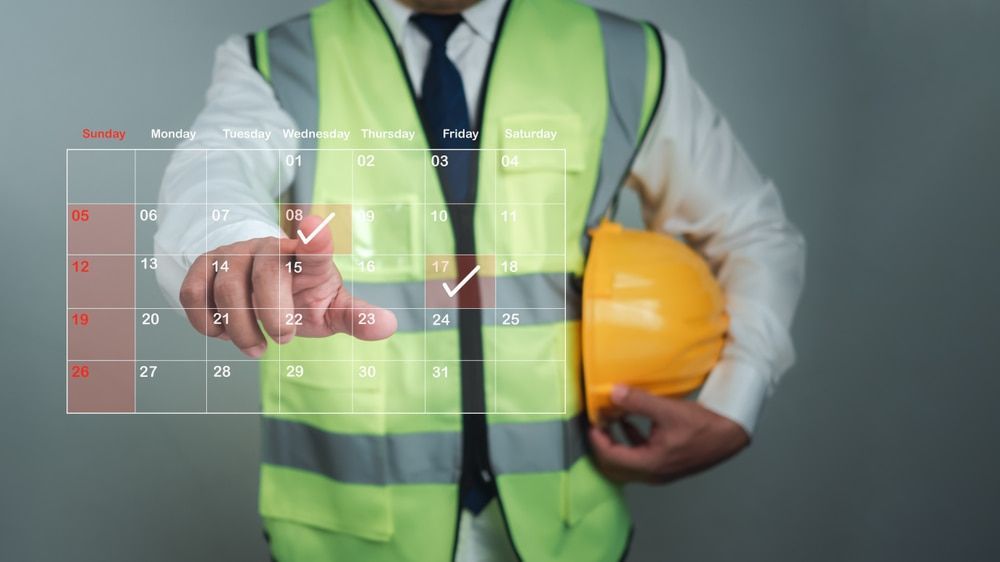
Effective communication and coordination with retail tenants during renovations keeps projects moving while protecting sales and customer experience. Reviewing the scope, schedule, and likely impacts (such as noise, dust, access changes, and temporary closures) with owners, contractors, and retail tenants helps set clear expectations, reduce surprises, and secure buy‑in for phasing plans. It also creates a feedback loop that allows tenants to flag operational constraints in advance, enabling the project team to adjust work hours, sequencing, and access routes to minimize disruption to customers and staff.
Establishing a single point of contact, preferred communication channels, and update frequency can reduce confusion and frustration. During construction, regular progress updates and early notice of any changes allow tenants to adjust operations.
Safety and Quality Controls That Protect Customers and Staff
Safety and quality control are top priorities in every construction project. Yet, implementing safety and quality control measures can be challenging when workers, customers, store staff, and suppliers share the same space. General contractors prioritize safety at every step of the renovation, including clear signage, carefully staged demolition work, secure barricades, daily site audits, and controlled access to keep consumers and retail staff out of hazardous areas.
Additionally, high-risk activities are scheduled for off-hours. Personal protective equipment (PPE) is provided, checked, and maintained in accordance with the
Occupational Safety and Health Administration (OSHA) requirements. To mitigate trip-and-fall risks, general contractors implement strict housekeeping standards that include regular debris removal, slip-resistant floor protection, and covered cords.
EDC’s Expertise in Managing Retail Renovations
With years of proven experience in active retail environments, EDC keeps stores running smoothly through strategic phasing, consistent tenant communication, and disciplined safety and quality controls. Our team coordinates all stakeholders, standardizes results across locations, and delivers refreshed, on-brand spaces that are ready to perform from day one.
Contact EDC to plan your next retail renovation program and experience seamless transformation without business interruption.