Why a Strong Construction Safety Program Is the Foundation of Every Successful Project
Safety shapes every aspect of a construction project, from budget, scheduling timeline, to delivery, and workforce performance. When safety expectations are clearly defined from day one, contractors work in confidence, and operations progress without derailing delivery timelines. Yet, navigating safety requirements, training, protective equipment, and site inspections while keeping operations running can be overwhelming. Partnering with experienced construction management firms helps owners coordinate daily worksite safety without interfering with deliverables and construction timelines. In this article, we’ll cover the role of safety in successful projects, what defines a strong construction safety program, and why prioritizing safety from day one drives better outcomes.
The Role of Safety in Successful Construction Projects
Accidents and fatal injuries rack up expenses from medical costs, compensation claims, and regulatory fines. By prioritizing construction safety, owners can avoid these financial liabilities and the penalties that come with non-compliance. Likewise, fewer incidents mean fewer delays and lower insurance costs, allowing owners to gain full control over project timelines and budgets.
Establishing a strong construction safety program creates a secure worksite that bolsters worker productivity and morale. When clear safety measures are in place, your workforce can confidently work in confined spaces, handle sensitive chemicals, and operate heavy equipment like cranes and forklifts without second-guessing their safety.
What Defines a Strong Construction Safety Program?
A strong construction safety program starts with committed leadership and active workforce involvement. It educates contractors on identifying potential hazards and assessing risks to determine the right preventive measures for every safety incident. The safety program should also specify required PPE, enforce its proper use, and include equipment maintenance routines to ensure all tools and machinery remain safe and functional.
The Benefits of Prioritizing Construction Safety from Day One
In 2023, the United States recorded 5,283 cases of fatal work injuries. Prioritizing construction safety from day one sets the foundation for safe, productive, and compliant construction projects. Not only that, it helps owners mitigate liability risks, project delivery delays, and costly renovations.
Here are other benefits of making construction safety a top priority:
Prevents Worksite Injuries
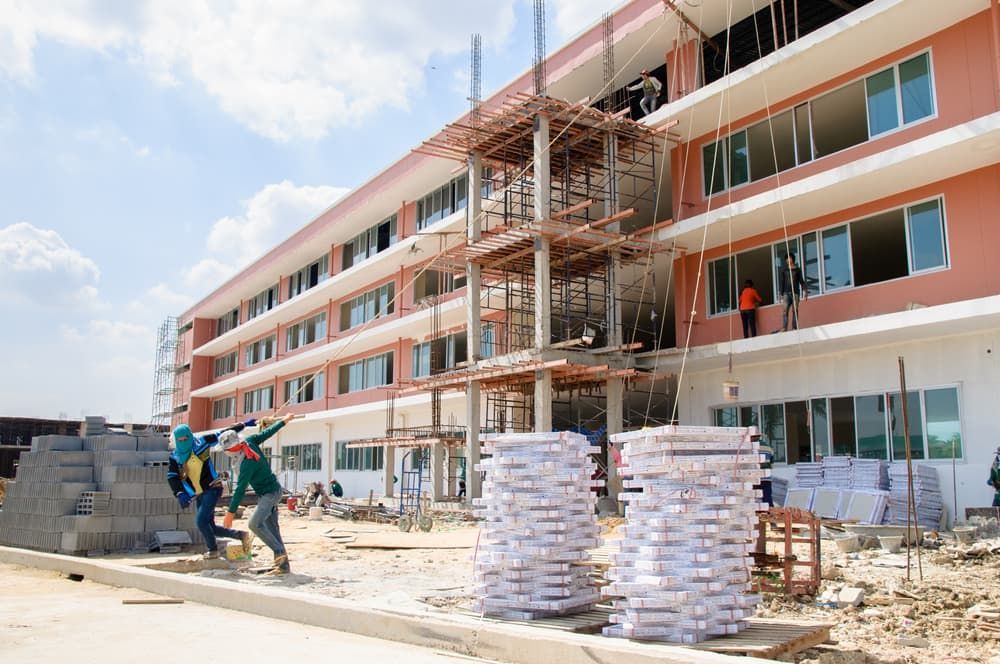
Without safety measures, construction worksites are susceptible to safety hazards, such as getting struck by heavy equipment, falls from heights, chemical exposure, and electrocution. When safety is the top priority in a construction project, workers can focus on their tasks without getting hurt.
To prevent worksite injuries, project owners should provide
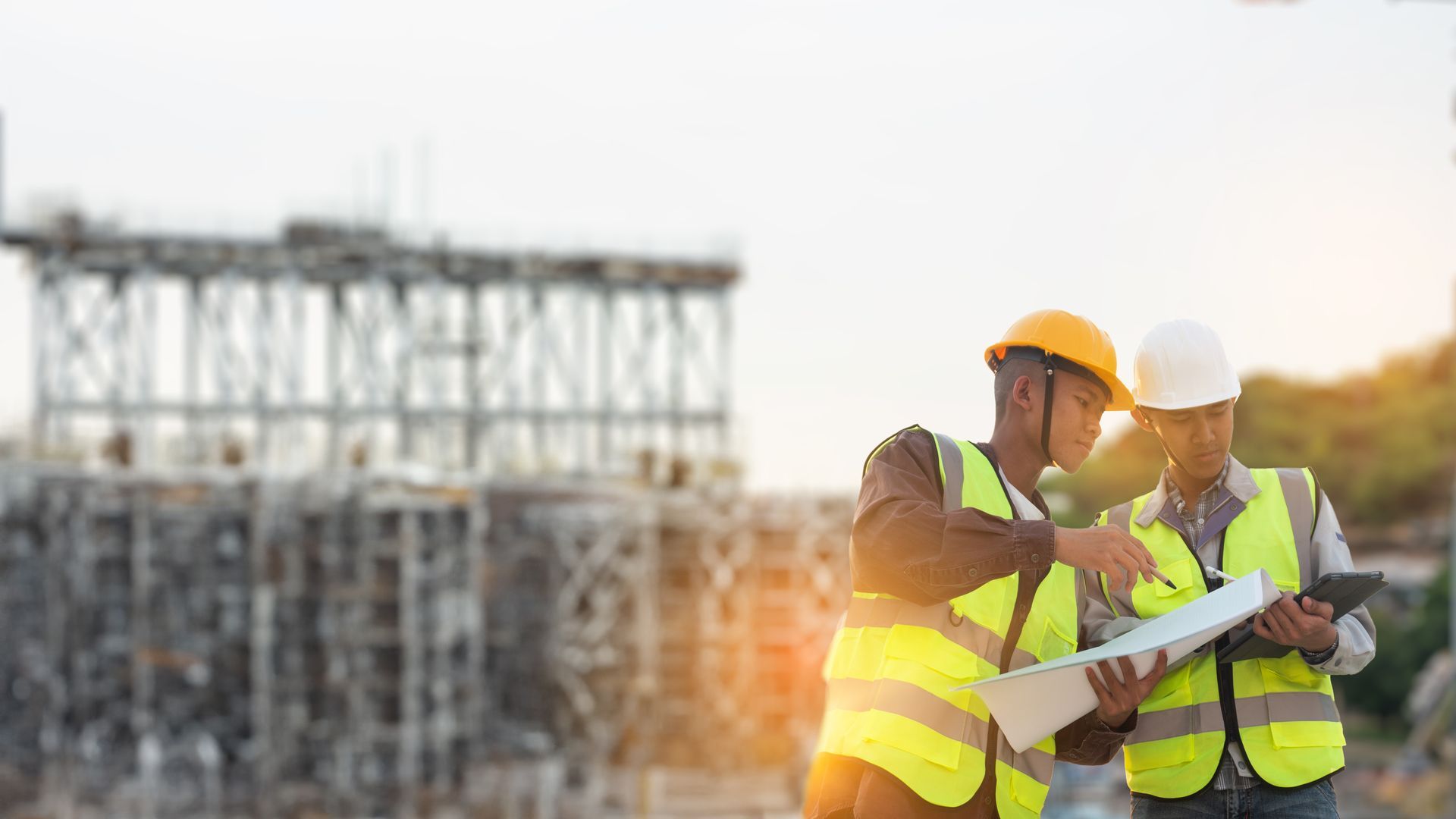
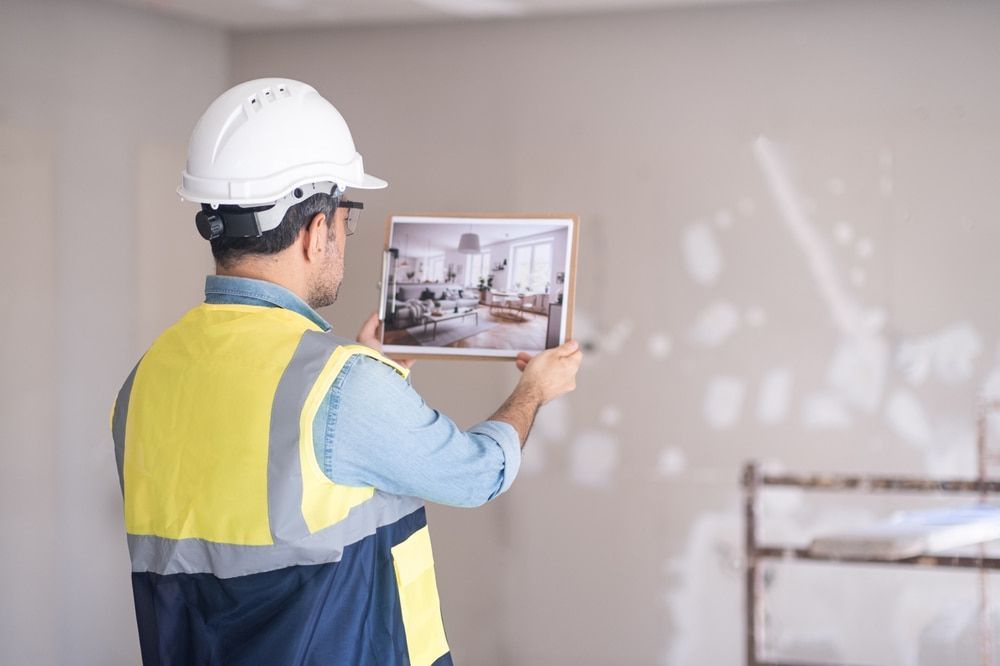
proper personal equipment (PPE) that prevents or reduces exposure to worksite injuries. Safety googles, face shields, hard hats, bump caps, earmuffs, dust masks, lanyards, and chemical-resistant gloves are some common examples of PPE.
Mitigate Project Delays
Construction projects run on a sequence of tasks, where each phase depends on the successful completion of the previous one. Operational disruption from safety incidents can result in work stoppage and rescheduling, which sets back the project delivery timeline.
Implementing safety measures like properly labeling a hazardous chemical container and routine inspections helps owners mitigate project delays. When there are no safety incidents, workers can perform their tasks uninterrupted, maintain steady productivity, and keep the project moving toward on-time completion.
Promotes Safety Culture
Prioritizing construction safety goes beyond OSHA compliance and following site rules. It’s about promoting a safety-first mindset, where every worker individually and collectively takes responsibility for maintaining a safe, compliant, and productive worksite.
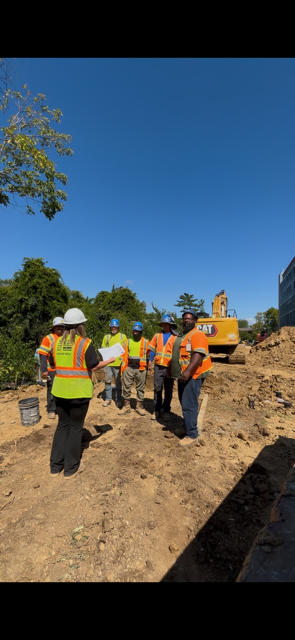
To promote a safe culture, contractors should be trained about safety procedures, equipment setup, and protective systems usage while on the job. Workers should be educated on the importance of using clear fall protection signage to mark high-risk areas and how it helps to identify and avoid potential hazards.
Additionally, workers should be empowered on how to identify construction site hazards, including falls, electrical risks, struck-by, and chemical exposure. They should also be equipped with actionable steps to take to mitigate these risks before resulting in accidental fatalities and injury fatalities.
Improves Workflow Efficiency and Productivity
Heavy machinery, like cranes and trucks, enhances productivity. Yet, they are responsible for approximately 75% of struck-by fatalities in construction. Construction hazards take a toll on other workers’ sanity and prolong OSHA investigations, which negatively impact workflow efficiency. Even after construction resumes, workers might not feel safe, which affects morale and reduces productivity.
Prioritizing construction safety at the early stage of a project also guarantees a worksite where contractors can focus on their tasks without workflow disruption from safety incidents and compliance issues. By complying with OSHA standards, providing the right equipment, and educating contractors on proper equipment usage, you can have construction sites where the workforce feels safe to perform tasks.
Mitigates Cost Overruns
Finally, worksite incidents trigger fatal injuries, fines, lawsuits, and financial losses. Implementing safety protocols helps owners stay compliant with regulatory standards and avoid costly risks.
Not only that, early safety planning also reduces rework and inspection failure, which are two of the biggest causes of cost overruns. Implementing safety measures throughout construction phases lets owners maintain cost control, limit financial exposure, and ensure that resources are spent on project progress.
Partner with EDC: Building Safety into Every Project
Prioritizing worksite safety is a crucial aspect of every construction project. At EDC, our team prioritizes worksite safety at every phase of construction with proactive planning, proper equipment selection, and continuous workforce orientation. Our proactive safety measures keep your project compliant and your workforce protected, ensuring everyone gets home safely each day.
Contact EDC today, and let’s build a safer construction site together.