Retail Centers as Community Anchors | Winterfield Crossing Mixed-Use Development
Retail Centers Are Becoming Community Anchors
New retail developments are being planned differently than they were twenty years ago. The most successful projects are no longer designed as rows of storefronts competing for drive-by visibility. Developers are building environments that reflect how people move through their daily routines.
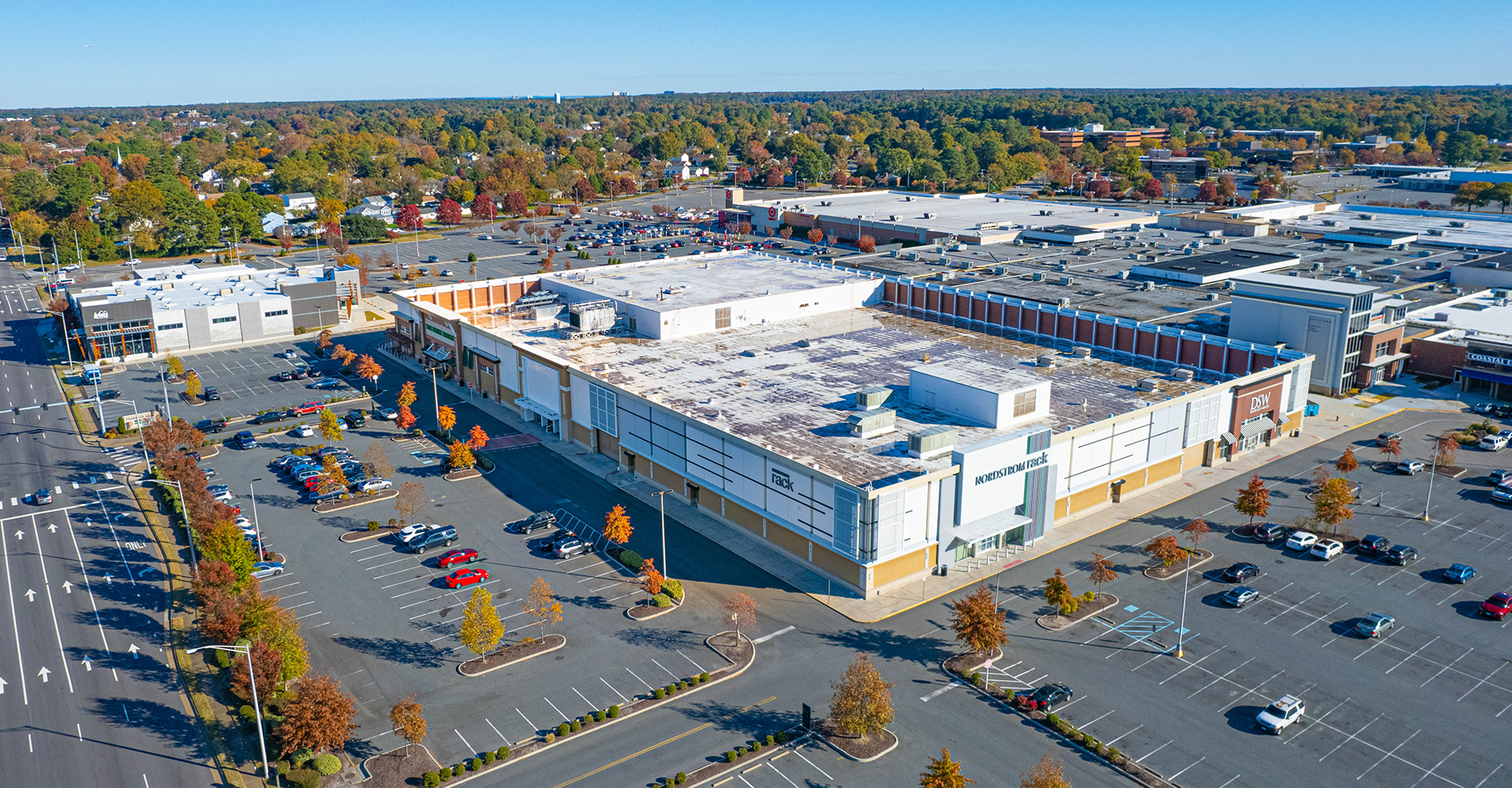
Grocery stores, financial institutions, restaurants, office space and neighborhood services are often planned together because they generate consistent activity throughout the week. Residents might stop for groceries, grab lunch nearby, visit their bank, or run a quick errand during the same trip. When those uses are intentionally grouped within a walkable environment, the retail center becomes part of the rhythm of the surrounding area.
Winterfield Crossing in Midlothian, Virginia reflects this shift in retail development. The project brings together everyday services and dining alongside neighborhood retail in a setting designed to support repeat visits rather than one-time destination shopping. Beyond traditional retail, the center includes Gather, a co-working and flexible office space that brings daytime professionals to the property, and a curated mix of wellness-focused tenants that creates an environment where residents can work, shop, dine, and prioritize their well-being in one convenient location.
For developers and property owners, that strategy supports something critical: steady activity that helps sustain tenant demand over time.
The Role of Anchor Tenants in Modern Retail Development
The anchor tenants selected for a retail center often determine how the entire property will perform.
A grocery store can bring customers to a center several times a week. Financial institutions, casual restaurants, and service-oriented businesses reinforce that traffic. When the tenant mix is coordinated thoughtfully, each use supports the others.
This pattern of regular activity benefits smaller retailers as well. A café, boutique, or service business located near a grocery anchor benefits from the consistent flow of people already visiting the center.
Developers increasingly prioritize these types of anchors because they create reliable visitation patterns. That consistency supports leasing stability and helps retail centers remain active long after the initial development phase is complete.
The Construction Reality Behind Phased Retail Development
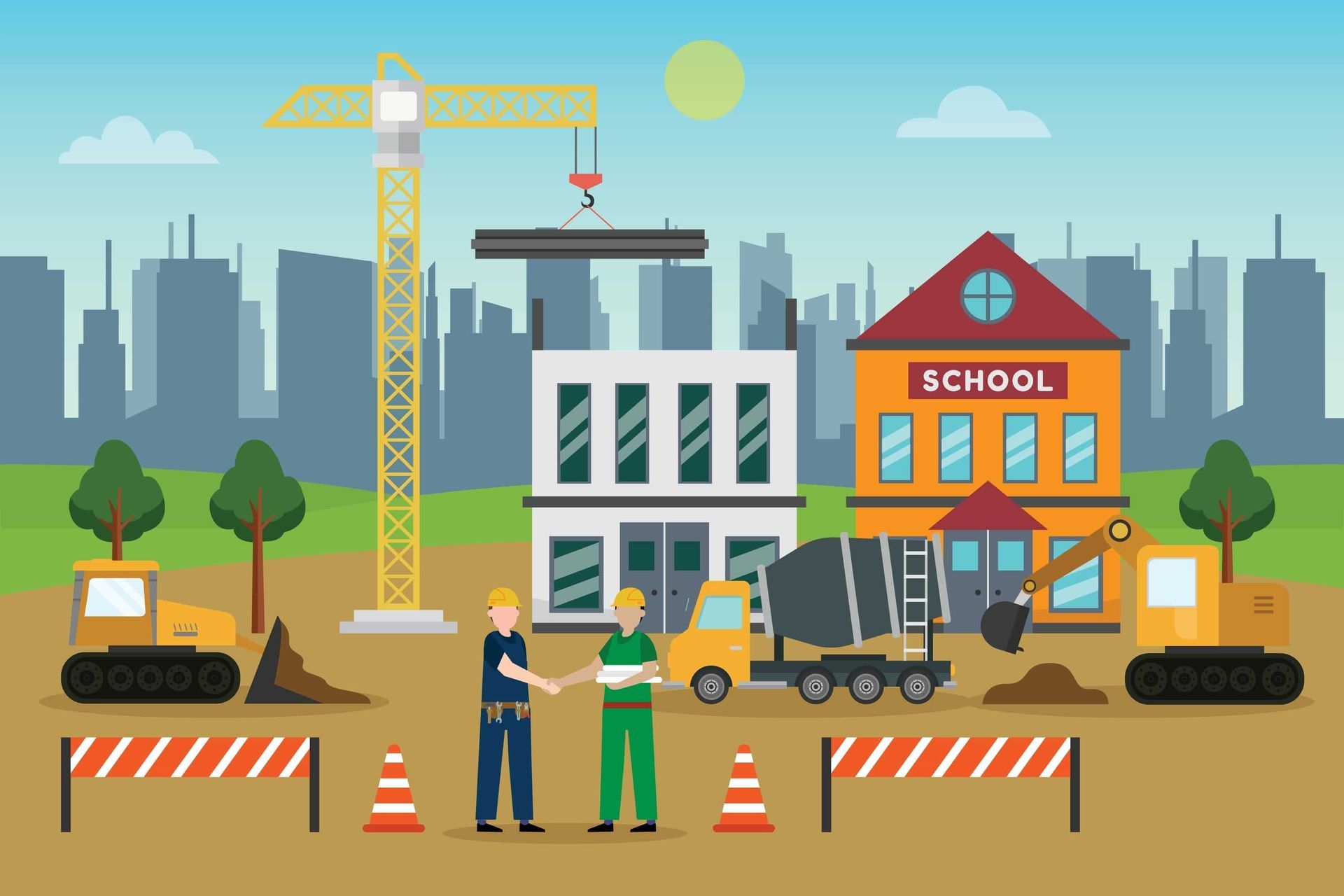
While the finished retail environment may appear cohesive, projects like this rarely come together all at once.
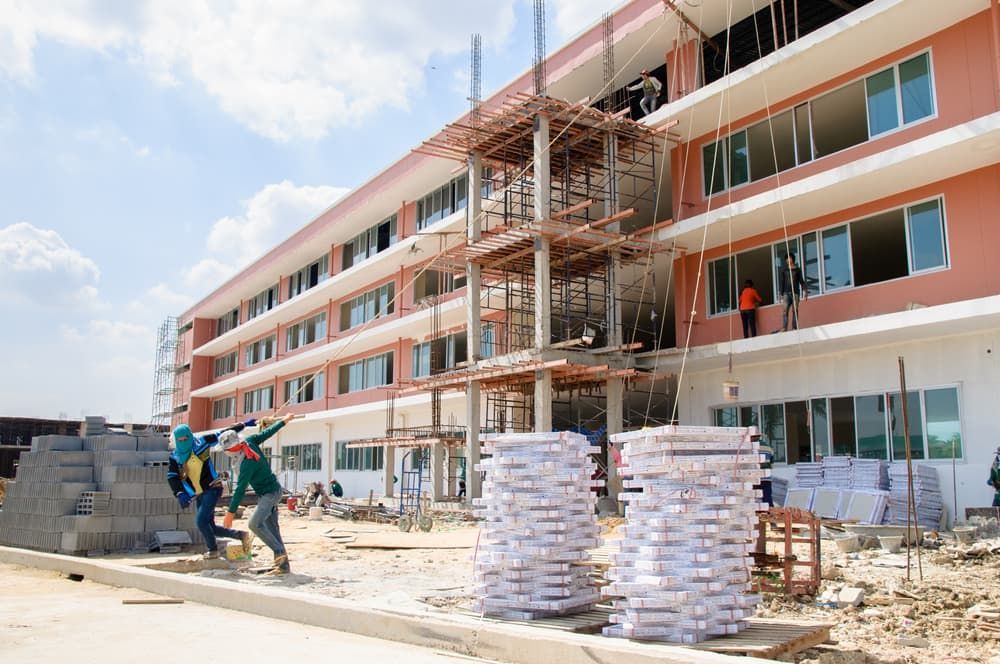
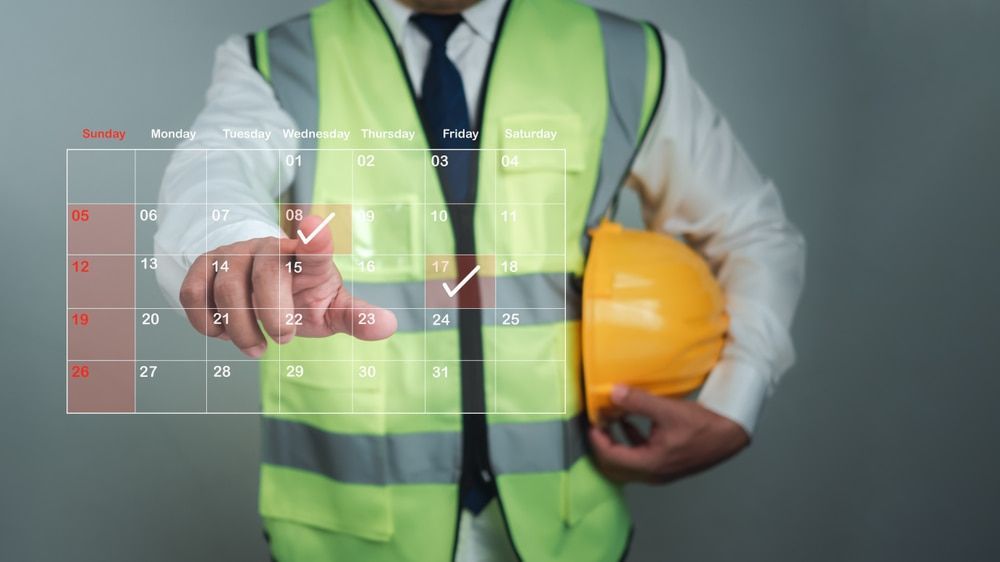
Retail developments of this scale are often built in phases that align with leasing activity, tenant commitments, and market demand. That sequencing allows developers to bring portions of the center online while additional tenants are secured.
From a construction standpoint, phased delivery requires careful planning.
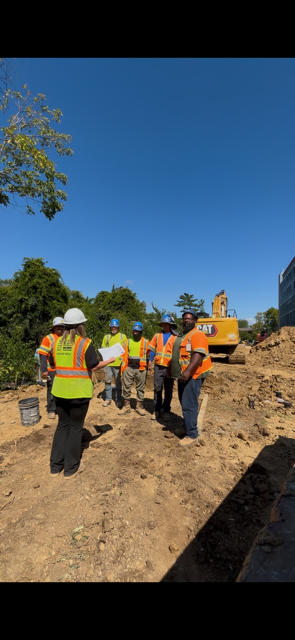
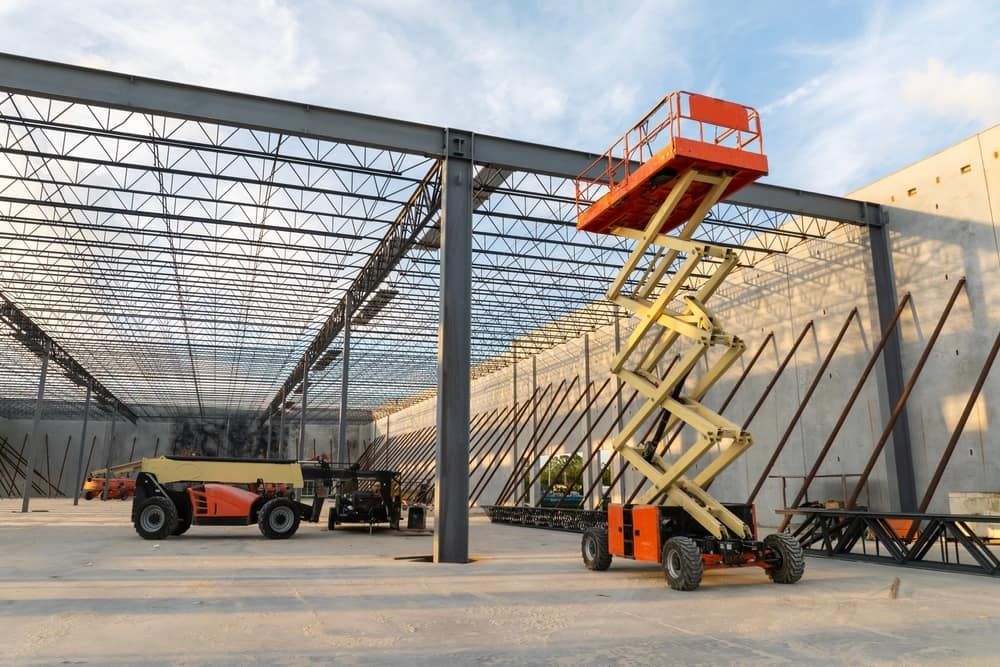
Each phase typically begins with building pad preparation for the structures included in that stage of development. Once the pads are complete, vertical construction follows. In some cases the contractor completes the full interior build-out. In others, the building is delivered as a shell with the contractor completing work through certificate of occupancy so the tenant can finish the interior décor and layout.
These decisions affect scheduling, inspections, and coordination with municipal approvals. Multiple buildings may be moving through different stages of construction at the same time, while other portions of the development remain active jobsite areas awaiting the next phase.
Winterfield Crossing: Coordinating a Growing Retail Center
Winterfield Crossing illustrates how that process unfolds over time.
EDC constructed the majority of the retail center ground-up across several phases, delivering more than 150,000 square feet of retail space across eight buildings. The development also includes major anchors such as Aldi and Virginia Credit Union, which were constructed separately but form part of the overall retail environment.
Construction sequencing for the center followed the phased approach common to retail developments of this scale. Each phase began with the preparation of building pads for the structures included in that stage of the project. From there, vertical construction progressed while tenant interiors were completed when those scopes were included in the contract.
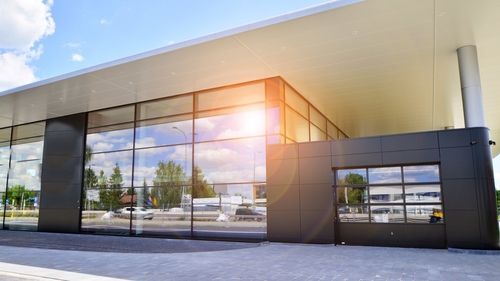
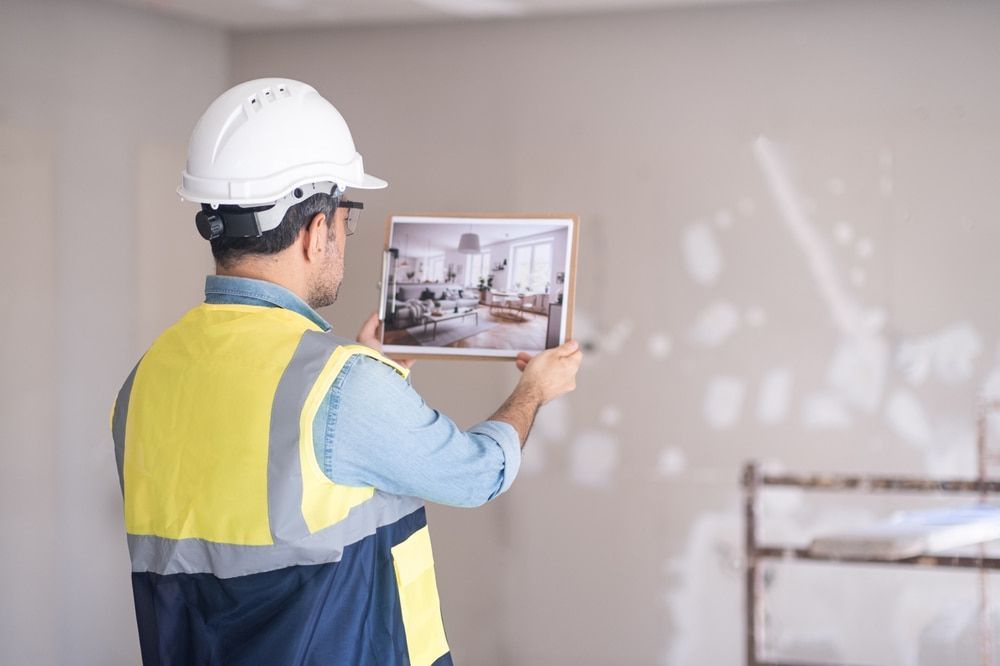
Some buildings were delivered through full interior completion, while others were brought to certificate of occupancy so tenants could complete their own interior décor and layout prior to opening.
Phased construction continues today as additional portions of the center move forward. That approach allows the development to expand in response to leasing demand while maintaining continuity with the existing retail environment.
Retail Built for Long-Term Community Use
Retail centers that succeed over time are rarely the ones designed purely around storefront square footage. The most durable developments are those that reflect how people actually move through their daily lives.
Grocery trips, banking visits, casual meals, and small errands create patterns of activity that keep a retail center relevant. When those uses are combined within a thoughtfully planned development, the result is a place that functions as part of the surrounding community rather than simply serving it.
From a construction standpoint, delivering that kind of environment requires disciplined planning and coordination across multiple phases, tenants, and development timelines. When the sequencing is handled carefully and the work is executed with long-term durability in mind, the finished center becomes more than a collection of buildings. It becomes a place the community continues to return to long after construction is complete.
Developments like Winterfield Crossing illustrate how thoughtful planning, phased construction, and tenant coordination can come together to create retail environments that support both community activity and long-term asset performance.
To see more examples of how EDC approaches retail and mixed-use construction, explore our shopping center project portfolio, including the full Winterfield Crossing development.
For developers exploring retail opportunities or mixed-use retail environments, Jeff Broderick, EDC’s Executive Vice President of Business Development, works closely with clients to evaluate new projects, discuss development strategies, and support early project planning.
Because in retail construction, the projects that perform best over time are usually the ones that were planned with both the
community and the long-term investment in mind.