Self Storage Construction: Key Considerations for a Profitable Facility
Building a self-storage facility sounds straightforward: find land, design, build, and open up. But anyone who’s been through it knows it’s rarely that simple. Zoning restrictions, tricky site conditions, shifting budgets, and slow approvals can turn even the best-laid plans into stress and delays.
If you’ve ever found yourself juggling permits or watching costs climb faster than progress, you’re not alone. Every developer faces these challenges at some point.
That’s why understanding each stage of the construction process matters. When you know what’s ahead, you can plan smarter, avoid common obstacles, and keep your project on track from first sketch to opening day.
Let’s walk through the essential steps to building a self-storage facility that’s efficient, compliant, and profitable.
Common Challenges in Self Storage Construction
Permits and Approvals Delays
Building documents are typically reviewed by local agencies such as the building permit authority, zoning and planning departments, and fire safety officials. Delays often occur when design changes aren’t approved quickly or when coordination between architects, contractors, and engineers stalls. These challenges can easily result in weeks or even months being added to a project’s schedule.
An experienced construction partner can help clients avoid these setbacks by managing the entire permitting process, from coordinating with local agencies to tracking approvals and maintaining clear communication among all stakeholders. Understanding review timelines and maintaining proactive communication keeps schedules realistic, financing on track, and project delivery moving forward.
Regulatory Standard Complexity
Noncompliance with building regulations can result in fines, delays, lawsuits, or reputational damage. Zoning laws, building codes, and environmental requirements vary widely by state and municipality across the U.S.
Navigating these regulations can be challenging for owners developing self-storage facilities in multiple regions. A qualified construction partner helps manage this complexity, guaranteeing every facility meets all applicable codes and compliance standards.
Finding the Right Site
Not every site is approved for self-storage development. Even if the land looks perfect at first glance, hidden issues such as high groundwater, poor soil, leftover debris, or steep slopes can drive up costs and delay construction. To avoid these setbacks, construction partners will evaluate the site thoroughly to ensure it meets zoning requirements early on.
10 Essential Steps in the Self Storage Construction Process
Step 1: Market Feasibility
Investing in a saturated market could lower occupancy rates, reduce profit margins, and lower ROI. Market feasibility helps developers determine whether a project is worth pursuing. It examines customer demands and identifies industries or site locations that would generate the most of the project's demand.
Market feasibility considers factors such as the competitive landscape, industry trends, financial feasibility, pricing, local demographics, and climate control. It’s a complex process with many moving parts, and navigating it alone can be time-consuming. Partnering with an experienced
development management consultant like EDC takes the weight off your shoulders while you focus on other essential tasks.
Step 2: Site Preparation
Before on-site construction, site preparation ensures the land is ready to build the proposed self-storage structure. It eliminates issues such as soil instability, water runoff, poor soil quality, and hidden debris. The process involves verifying land ownership, site clearing, surveying, soil testing, grading, excavation, and drainage before purchasing.
Step 3: The Concept Drawings
Architects and engineers use concept drawings to illustrate the initial design ideas for self-storage projects. It helps stakeholders visualize the project's outcome, ensuring expectations are managed from the beginning. If something doesn’t quite fit, the architect tweaks the design to match the client’s vision and project needs.
Step 4: Financing and Budgeting
Secure financing and accurate budgeting are the driving forces behind any self-storage. While financing ensures developers have the capital to execute the project, an accurate budget ensures expenses align with the estimates.
Some key activities in this stage include preparing detailed cost estimates, securing investment funding, creating cash flow schedules, and monitoring budget performance against actual expenditures.
Step 5: Secure Permits and Approvals
Before embarking on constructing a self-storage facility, developers must secure site permits, zoning approvals, fire safety reviews, environmental clearances, and other required documents.
These approvals confirm that the site is properly zoned for self-storage use, the design meets building and safety codes, and construction will not harm the environment.
Step 6: On-site Construction
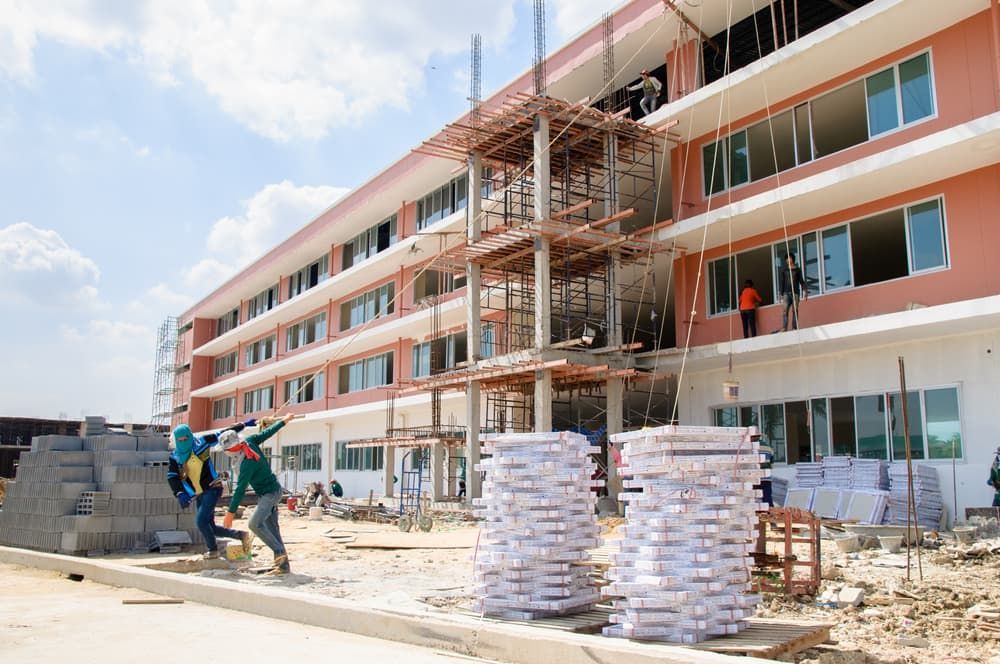
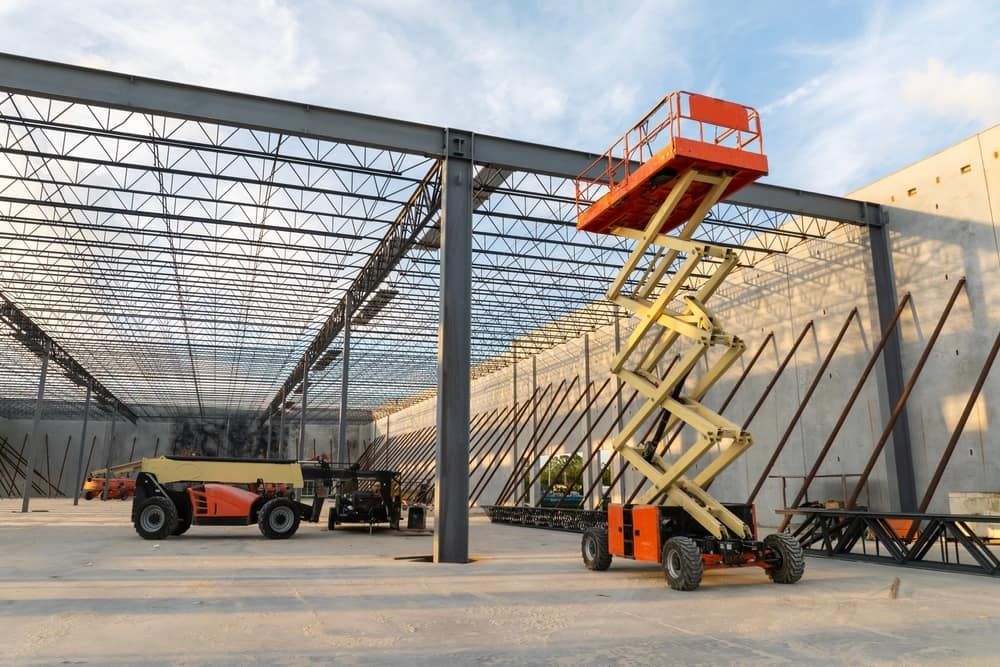
This is where your vision begins to take form. The construction phase covers site grading, utilities, foundation work, framing, roofing, and interior fit-out, with continuous quality and safety checks to maintain design and regulatory compliance.
Regular stakeholder meetings held monthly, weekly, or as needed help keep progress visible, confirm quality, and ensure upcoming milestones stay on schedule.
Step 7: Installation of Security and Technology Systems
After on-site construction, essential electrical, plumbing, security, and HVAC systems are installed. This stage establishes the building’s core functionality, followed by exterior and interior finishes that complete its appearance.
Step 8: Final Inspection and Handoffs
Before opening, the self-storage projects undergo final inspections to ensure compliance with all building codes and safety regulations. Any outstanding punch-list items are rectified, and the project is officially handed over to the owner for occupancy and operations.
Step 9: Marketing and Operational Launch
Once construction is done, the next step is getting tenants through the door. Clear signage, strong online listings, and introductory promotions can quickly put your facility on the map. Also, setting up a capable team and efficient management systems ensures that operations run smoothly from day one.
Step 10: Post Construction Maintenance
Launching is only the beginning. Ongoing maintenance and regular performance reviews are nonnegotiable and essential to keep your facility operational at its peak. Scheduled inspections, timely upgrades, and proactive attention to customer feedback are some of the best ways to boost tenant satisfaction and extend the life of your investment.
Build Your Next Self Storage Facility with EDC
Building a self-storage facility requires careful coordination at every step. With the help of the EDC team, turn your vision into a fully functional, profitable operation.
At EDC, we understand how complex this process can feel, especially when you’re trying to manage everything on your own. Our team helps developers simplify that journey by bringing structure, clarity, and communication to every stage of construction, so your project stays on schedule and delivers the results you envisioned.
Ready to bring your self-storage project to life?
Contact EDC today to learn how we can help you plan, build, and deliver a facility that performs reliably from the start.