What Is Preconstruction? A Guide to the First Phase of Every Successful Project
Rushing into construction without a solid plan is one of the fastest ways to blow a budget or derail a project schedule. Conflicting goals, unclear communication, and missing details often lead to rework, disputes, and costly surprises down the line.
That’s why the
preconstruction phase matters. It’s the point where every idea, estimated budget, and design detail is refined into a clear, actionable plan. When owners, designers, and contractors align early, projects stay efficient, predictable, and built for success from the very start.
Preconstruction Planning, Explained
Preconstruction (also known as the design phase) is where every successful project begins. It’s the strategic phase that defines your budget, schedule, design direction, and delivery timeline before any work starts on-site.
During this phase, investors, architects, engineers, and contractors come together to align on project goals, create concept drawings, and establish a clear roadmap for the project. It’s also where you uncover opportunities to save costs and maximize profit.
Preconstruction gives investors a clear picture of the project’s scope, cost, and timeline. In many ways, the success of the entire build depends on the groundwork laid here before a single brick is set or nail is driven.
Why Preconstruction is a Crucial First Step to Any Project
Preconstruction is where every big idea starts to take shape. It’s the crucial stage that turns concepts into a clear, actionable plan by defining the project’s costs, scope, and schedule. This gives owners the clarity to decide whether the project is worth pursuing.
In this phase, the team focuses on the details that set the foundation for success. They secure permits, complete necessary paperwork, conduct site and environmental assessments, and develop safety and logistics plans. Contractors, designers, and engineers also work together to refine budgets, resolve potential issues, and align expectations before construction begins.
8 Key Activities in the Preconstruction Phase
To ensure a smooth and successful preconstruction phase, these core activities need to be in place:
Defining Project Scope
Project scope outlines what needs to be done to complete a construction project. It ensures the clients, architects, and contractors understand the goals, limits, and expectations from the start. Establishing a clear project roadmap creates a solid foundation and minimizes risks such as budget overruns, inefficient resource use, and uncontrolled scope changes.
Site Inspection and Analysis
Site inspection and analysis evaluate whether a proposed location is suitable for construction. This process uncovers potential risks and constraints such as soil quality, topography, drainage, accessibility, utility availability, zoning limits, and environmental factors.
Overlooking this step often leads to costly delays and rework. Without understanding the site’s true conditions and restrictions, teams can face unexpected challenges that disrupt timelines and inflate budgets. Key activities during site inspection include surveying, soil and geotechnical testing, utility mapping, and assessing access routes and logistics.
Budget
The budgeting process estimates the total project cost, covering land acquisition, design, materials, labor, permits, and equipment. It establishes clear financial expectations and ensures resources are allocated efficiently to match the project’s scope and goals.
Design Development
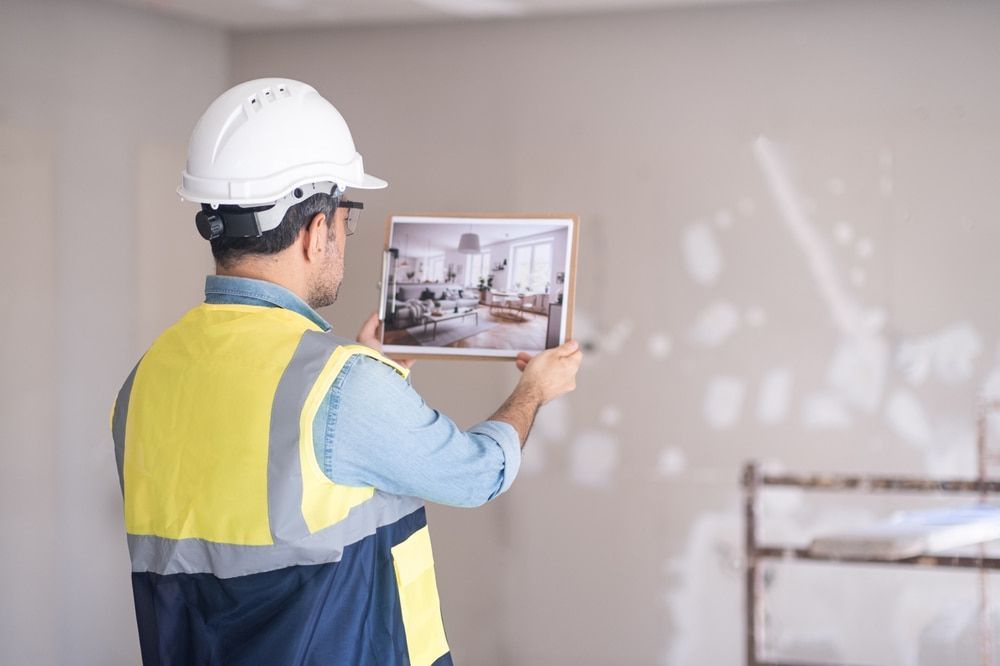
Design development is where the project vision starts to take shape. Architects and engineers turn concept drawings into detailed plans that show exactly how the self-storage facility will look and function. With these visuals, everyone involved understands the end goal and aligns expectations early. If something feels off, the architect refines the design until it fits the client’s vision and project requirements.
In this stage, teams focus on selecting materials and finishes, reviewing building codes and regulations, preparing design documentation, estimating costs, drafting preliminary construction schedules, and coordinating with all stakeholders.
Project Team Selection
The team selection stage involves choosing skilled, reliable, and collaborative professionals who can deliver quality work on time and within budget. The project team comprises subcontractors responsible for executing the plan and while the general contractor oversees the project and the process of selecting them.
At this point, general contractors review portfolios, check references, and assess past project performance to ensure the right fit. They also handle interviews, negotiate contracts, and set up clear communication protocols to keep the project running smoothly from start to finish.
Procuring Materials
Procuring materials means sourcing and purchasing everything the project needs, from equipment to supplies. It is a key part of preconstruction that directly affects both quality and schedule. During this phase, teams handle vendor sourcing, contract negotiations, and Request for Quotation (RFQ) to ensure the best value and timely delivery of materials.
Securing Permits
Securing permits means getting official approval from local and state authorities to permit the continuity of your project. These permits confirm that every part of the plan, including design, location, and construction methods, meets building codes, zoning laws, environmental rules, and safety standards. In short, they keep your project legal, safe, and ready to build without costly interruptions.
Project Communication
The preconstruction phase lays the groundwork for a successful project, and clear communication keeps it running smoothly. When teams set a solid communication plan from the start, everyone stays aligned, issues are resolved quickly, and the project moves forward without unnecessary delays.
How Preconstruction Sets the Stage for Success
Setting Realistic Budgets and Timelines
Preconstruction sets the stage for accurate cost estimates and reliable schedules. It allows project managers to create a realistic budget and timeline by reviewing every detail, from materials and labor to permits and logistics. Careful planning at this stage gives project owners a clear picture of what to expect and helps prevent costly surprises or changes once construction begins.
Identifying and Mitigating Risks Early
Construction projects often face obstacles like site limitations, complex regulations, and unexpected vendor issues. The preconstruction phase helps teams spot these risks early, before they turn into costly problems. By identifying challenges upfront, project managers can plan smarter and keep execution on track from day one.
Bolster Collaboration and Communication
Great construction projects start with teamwork. Preconstruction brings owners, designers, and contractors together to set clear communication and shared goals. It builds alignment early so everyone works toward the same vision and understands every aspect of the project.
Start Your Project with Strong Preconstruction Planning
Every successful build starts long before the first foundation is poured. Preconstruction gives teams the clarity, coordination, and confidence they need to move forward without surprises. It’s where smart planning meets strong collaboration, setting the tone for the entire project.
If you want a construction partner who values preparation as much as execution, EDC is ready to help. We bring your vision to life by managing every detail from planning through delivery, ensuring your project runs smoothly, stays on budget, and meets your expectations from day one.
Contact us today to start building with confidence.