Why Construction Safety Is Essential to Successful Project Delivery
Every commercial construction project depends on hundreds of decisions made before and during construction. While owners often focus on budgets, schedules, and quality, one factor influences every one of those outcomes: safety.
A strong construction safety program does more than help meet regulatory requirements. It creates an organized jobsite where work can progress efficiently, subcontractors understand expectations, and potential hazards are addressed before they interrupt the project. When safety is integrated into planning, communication, and daily operations, projects are better positioned to maintain momentum from preconstruction through closeout.
Safety Is More Than OSHA Compliance
Many people associate construction safety with inspections, hard hats, and regulatory requirements. While compliance is important, successful projects rely on a much broader approach.
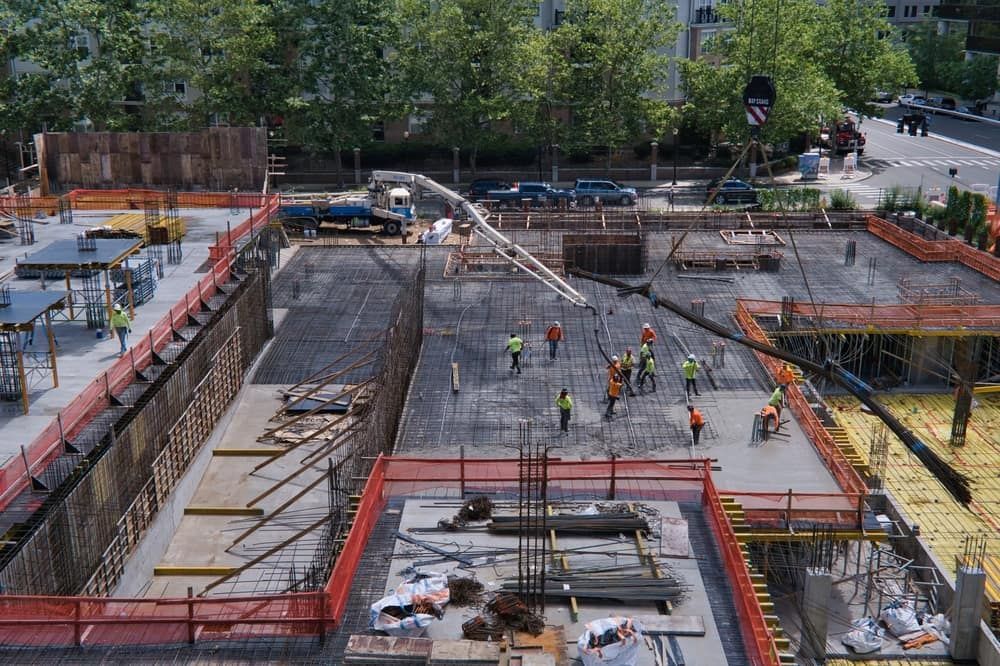
An effective safety program begins during preconstruction. Site logistics, material deliveries, equipment access, trade sequencing, and work around occupied facilities all influence how safely work can be performed. Identifying these risks early helps reduce disruptions once construction begins.
Safety also improves coordination. When subcontractors understand site expectations and communicate consistently, crews spend less time reacting to avoidable issues and more time performing productive work.
What Makes a Strong Construction Safety Program?
Strong safety programs don't rely on a single policy or training session. They establish consistent expectations that guide every phase of construction.
Key elements include:
- Project-specific safety planning before work begins
- Daily coordination between project teams and trade partners
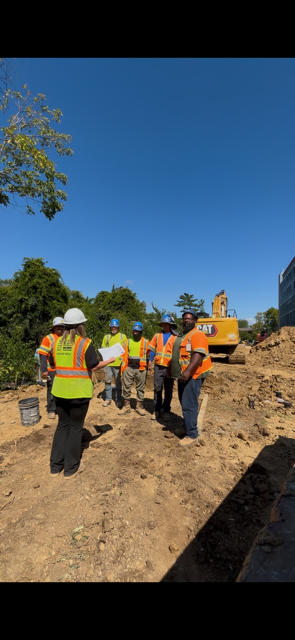
- Ongoing safety meetings and workforce training
- Routine site inspections
- Clearly defined responsibilities and accountability
- Proper equipment maintenance
- Hazard identification before work begins
- Continuous communication as site conditions change
Rather than reacting to incidents, experienced construction teams continually evaluate changing conditions and adjust their plans accordingly.
How Safety Supports Successful Project Delivery
Owners often think of safety as protecting workers. While that's its most important purpose, strong safety performance also supports better project outcomes.
Fewer Schedule Disruptions
Safety incidents can stop work immediately while investigations, corrective actions, and inspections take place. Proactive planning helps reduce these interruptions and keeps work progressing according to schedule.
Better Coordination Between Trades
Construction projects depend on multiple trades working in carefully planned sequences. Clear safety expectations improve communication and help subcontractors coordinate their work without creating unnecessary conflicts.
Better Quality Control
Organized jobsites allow crews to focus on workmanship instead of reacting to unsafe conditions. Consistent planning and inspections support both quality and safety throughout construction.
Improved Cost Control
Unexpected incidents often create costs that extend beyond medical expenses or regulatory penalties. Delays, rework, equipment damage, and schedule recovery efforts all affect the project budget. Managing safety proactively helps reduce these risks before they impact project performance.
A Stronger Project Culture
Safety is a shared responsibility. When everyone on the project understands expectations and feels responsible for maintaining a safe jobsite, communication improves, accountability increases, and teams work together more effectively.
Safety Begins Before Construction Starts
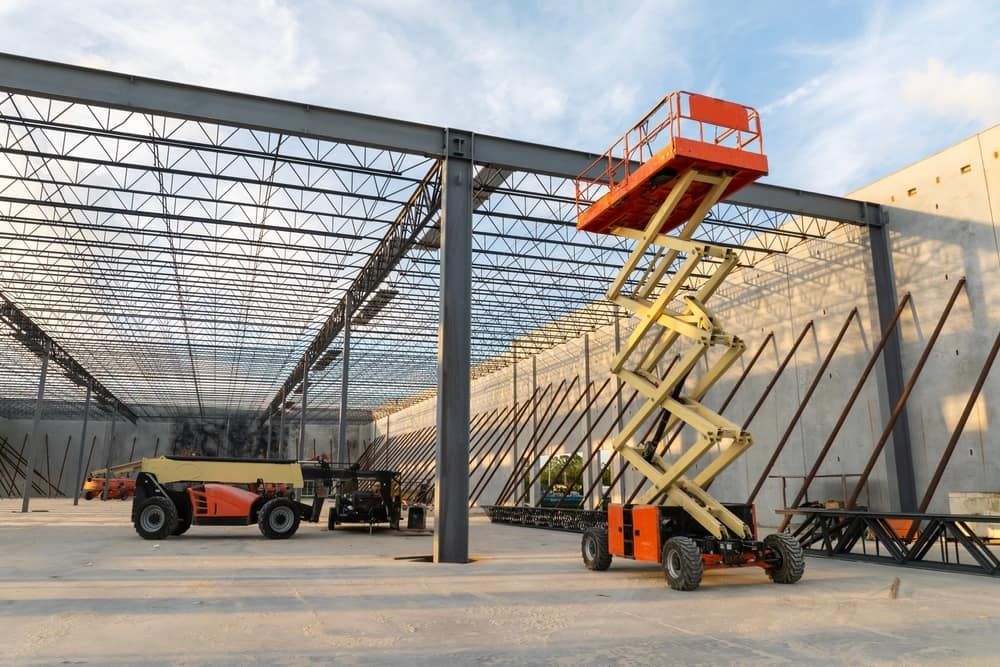
The strongest safety programs aren't developed after equipment arrives on site.
They begin during preconstruction.
Reviewing site logistics, identifying high-risk activities, coordinating subcontractor schedules, planning material deliveries, and evaluating access points all contribute to a safer, more efficient project. Early planning allows project teams to address potential hazards before they affect construction operations.
This proactive approach supports EDC's Build Well philosophy by integrating safety into every stage of project planning and execution.
Building Safety Into Every Project
At EDC, safety is integrated into the way projects are planned, coordinated, and managed. From preconstruction through closeout, our teams emphasize communication, accountability, and proactive planning to help create organized jobsites where work can progress safely and efficiently.
By identifying risks early, coordinating closely with trade partners, and maintaining consistent jobsite oversight, we help clients protect their people, their schedules, and their investment while delivering projects that reflect the Build Well standard.