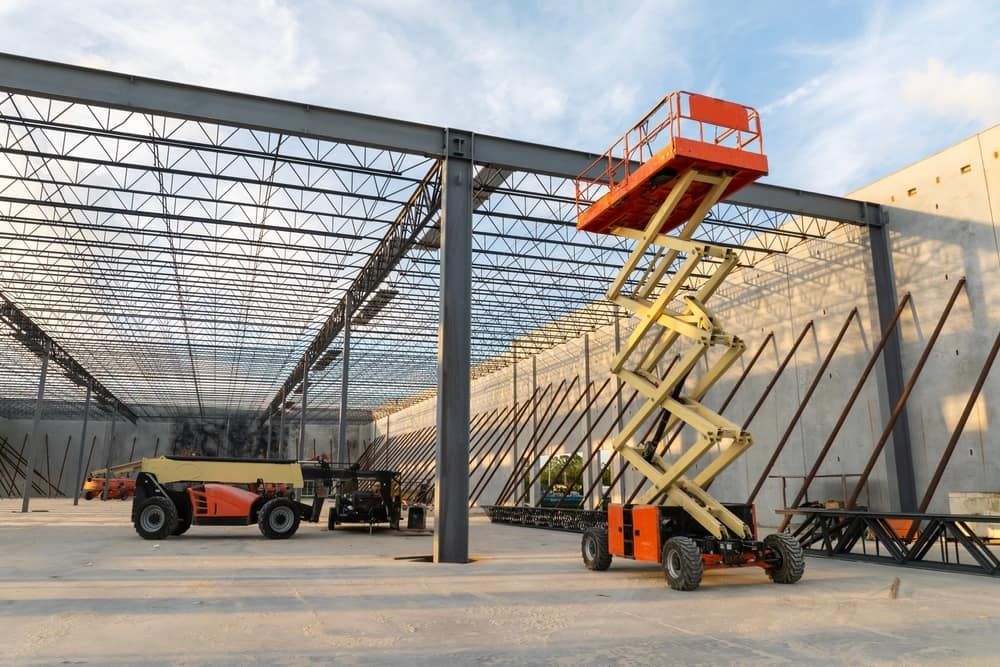
Building Retail Construction Projects for Performance and Longevity
Are you constructing a new retail outlet or expanding an existing one? Retail construction requires strategic planning, tight timeline deliveries, proactive problem-solving, and a mindset that supports long-term scalability. To deliver a retail space that’s safe, functional, compliant, and built for future growth, project owners must consider several critical factors. Before we examine these essential priorities, let’s examine the demands shaping retail construction projects.
The Evolving Demands of Retail Construction
Retail construction projects demands change as store formats and consumer expectations shift. Shoppers now expect instant and personalized experiences, pushing project owners to build more flexible spaces, adaptable to new layouts, curbside-pickup zones, experiential displays, and frequent merchandising updates.
Owners are also expected to deliver successful retail projects with short timelines while complying with strict building codes and planning for unexpected challenges. This makes it essential for modern retail spaces to be energy-efficient and flexible for future upgrades.
Key Priorities for Successful Retail Construction Projects
For a successful retail construction project, owners should prioritize these crucial elements:
Permits Approval
Regulatory standards guarantee safety and help project owners uphold quality control throughout the construction process. However, permit backlogs and varying building codes, environmental regulations, and local zoning laws could derail the project delivery timeline. Not only that, the International Code Council (ICC) updates building codes every 3 years.
Balancing all these regulatory demands and changes can be a lot to handle on your own. Partnership with the right construction team mitigates project delays by securing permits early and navigating the complexities of regulatory standards.
Achievable Scheduling Timelines
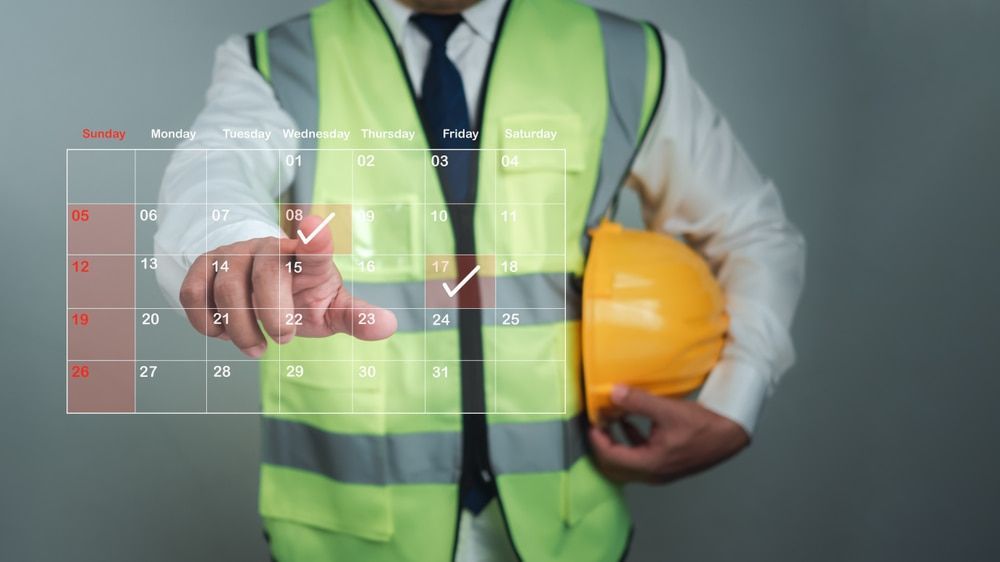
Unrealistic timelines set a retail project up for rushed decisions, poor execution, and avoidable delays. Efficient project execution starts with mapping out every task required to deliver the retail construction. This is followed by organizing the tasks in the exact sequence in the order they occur, so each phase builds on the last without interruption.
Furthermore, project owners can create realistic timelines with historical data and industry benchmarks, not guesswork. To mitigate this risk, owners should establish clear milestones to track progress, identify hurdles early, and keep the project running smoothly.
Plan for Scalability
Retail is a highly competitive industry that keeps growing. Approaching retail construction with a scalable mindset lets retail brands roll out new product lines, expand storage, and reconfigure layouts as they see fit, without costly modifications. Not only that, it keeps the outlet flexible for various operational requirements and allows brands to stay competitive in the market.
Using modular fixtures and movable partitions instead of walls protects long-term investments. That way, retailers can easily adjust fixtures or repurpose the outlets with minimal construction costs and downtime. Owners should also prioritize extra electrical outlets, data ports, and conduit pathways that support future needs.
Open Communication
A study reports that poor communication is responsible for costy and time overrruns in construction projects. Retail construction moves fast, and the slightest misunderstandings cost money and time. Open and consistent communication among stakeholders reduces confusion, fast-tracks decision-making, and prevents costly mistakes. It keeps everyone aligned on project goals, responsibilities, timelines, and expectations throughout the construction stages.
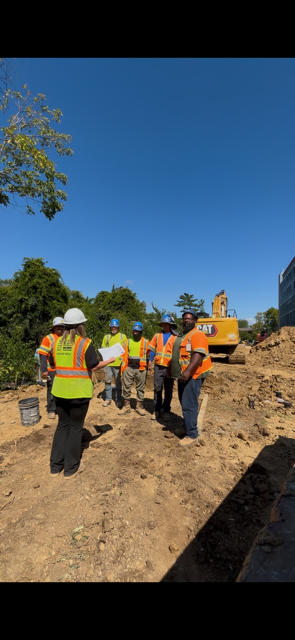
For open communication, start by clearly defining roles, reporting lines, and protocols for updates, approvals, and conflict resolution. Document every key decision, empower your team members with the right access they need, and adjust your communication structure as the project evolves. There should also be daily, weekly, or monthly meetings to keep everyone updated.
Choosing the Right Construction Partner
From securing permit approvals to coordinating stakeholders, managing schedules, and planning for future expansion, the demands of retail construction can quickly overwhelm project owners. Partnering with a reputable construction firm reduces this burden by ensuring every phase of the project runs smoothly.
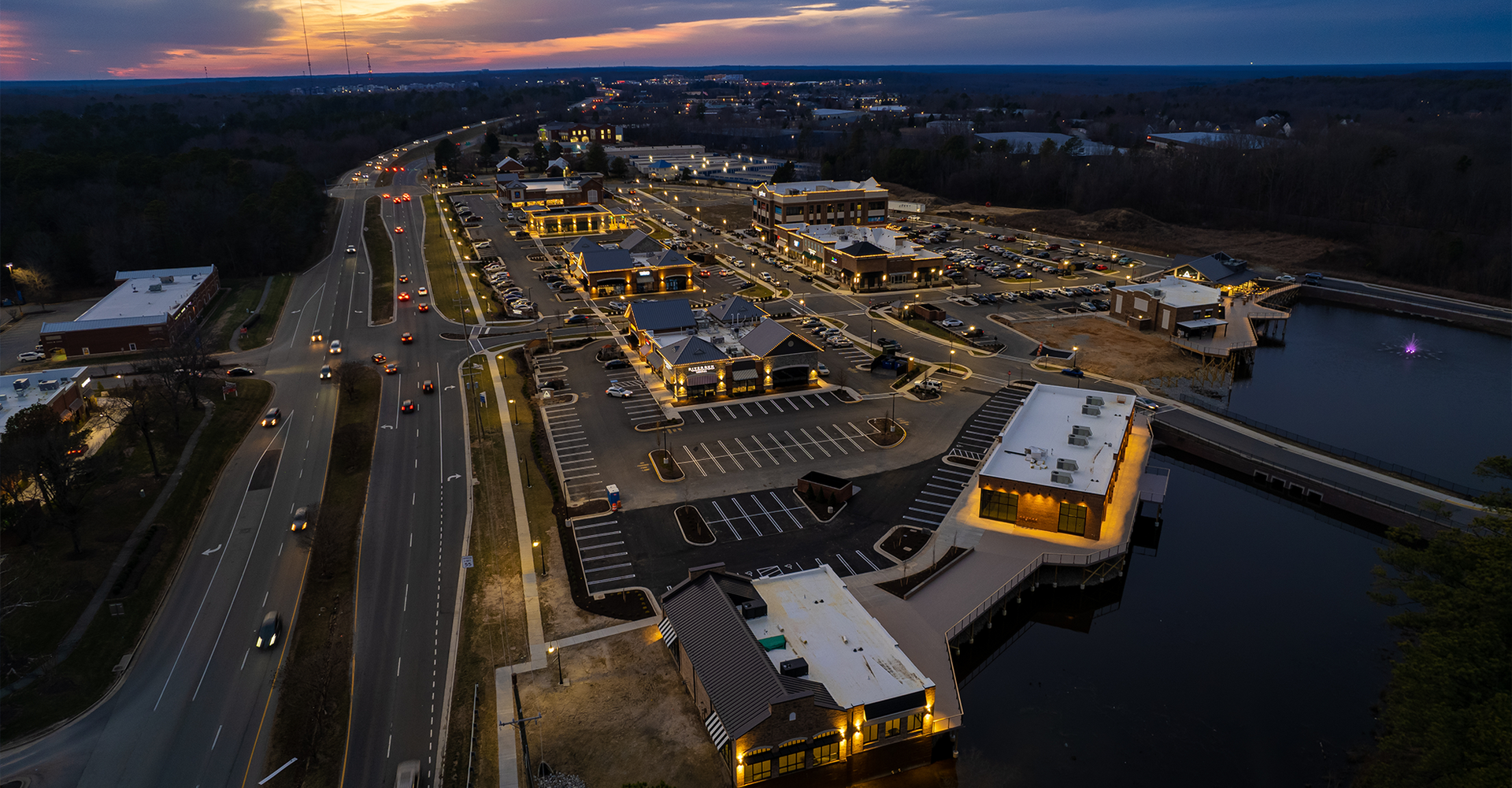
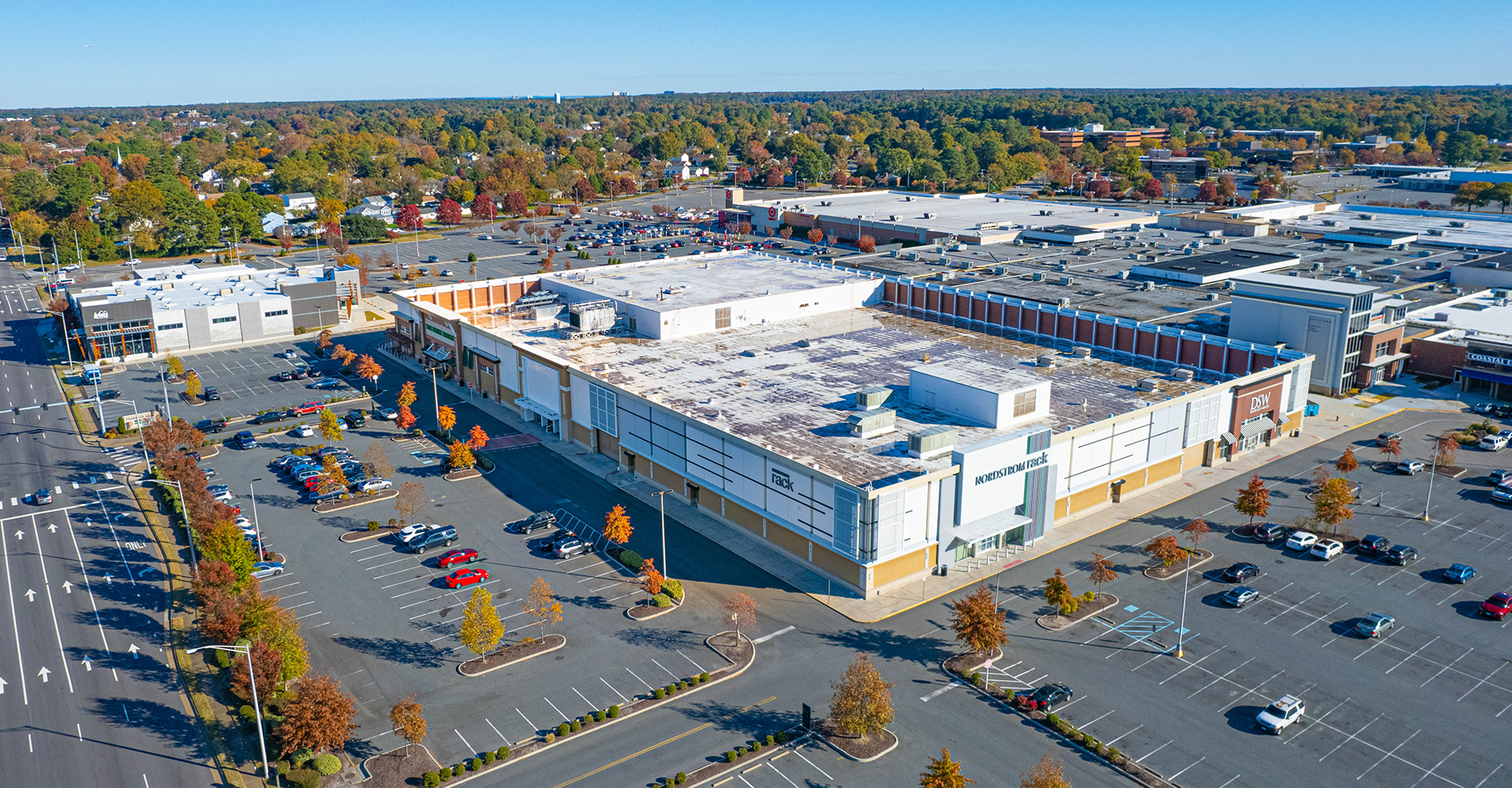
Project owners should also prioritize partners with a proven track record in delivering successful retail projects. Request for photos and results from their previously constructed shopping centers, grocery stores, food courts, and strip malls.
Additionally, a construction firm that keeps up with industry trends helps you deliver scalable retail projects with lasting market value. It’s also ideal if the firm is an expert in navigating the changes and complexities of regulatory standards and approvals.
Managing Technical and Operational Complexities in Retail Construction
Here are some common technical and operational challenges in retail construction:
Mechanical, Electrical, and Plumbing (MEP) Integration
Mechanical, electrical, and plumbing (MEP) systems are the components keeping retail construction functional, safe, and efficient. However, fitting these systems into limited spaces, making sure they operate properly, and meeting strict codes can be challenging.
A poorly coordinated MEP system triggers safety issues, costly rework, and delays opening day. Collaborating with a construction firm takes that pressure off with early coordination, BIM modeling, clash detection, updated drawings, and trade-by-trade oversight to ensure every system is functional, fits, and complies with regulatory standards.
Fast Turnarounds Timeline Constant
Retail projects often require fast turnarounds to meet grand-opening dates, seasonal demand, or lease obligations. Any delay in permit approval, inspections, and material delivery can result in schedule overruns. To mitigate this risk, owners should build a realistic schedule that accounts for long-lead time items, inspections, permit approval, and unexpected events.
Unexpected Site Condition
Extreme weather conditions, permit backlogs, structural defects, and equipment malfunctions can derail retail construction scope and budgets. Having a contingency plan in place owners prepare and reduce unexpeccted site conditions before escalating. It’s essential that your plan outlines potential risks, contingency expenses, and the developers' project.
Partner with EDC for Proven Retail Construction Excellence
An EDC partnership means working with a construction team that communicates clearly, plans proactively, and executes with precision at every stage. Our expert team identifies challenges early and ensures your retail space is built to adapt to growing changes.
Start your project with confidence.
Connect with EDC today to build a durable, high-performing retail space that’s built to last.